Introduction — Quand les opportunités existent, mais que les entreprises ne peuvent plus les saisirIntroduction — When the opportunities exist, but companies can no longer seize themIntroduction — When the opportunities exist, but companies can no longer seize themIntroduction — When the opportunities exist, but companies can no longer seize them
Depuis plusieurs années, je développe des activités commerciales entre l’Europe, l’Asie et l’Amérique latine, principalement dans l’agroalimentaire et le vin. Je travaille chaque jour avec des industriels, des producteurs, des distributeurs et des entrepreneurs qui évoluent dans des environnements économiques, sociaux et culturels très différents.For several years I have been building trade between Europe, Asia and Latin America, mainly in food and wine. Every day I work with manufacturers, producers, distributors and entrepreneurs operating in very different economic, social and cultural environments.For several years I have been building trade between Europe, Asia and Latin America, mainly in food and wine. Every day I work with manufacturers, producers, distributors and entrepreneurs operating in very different economic, social and cultural environments.For several years I have been building trade between Europe, Asia and Latin America, mainly in food and wine. Every day I work with manufacturers, producers, distributors and entrepreneurs operating in very different economic, social and cultural environments.
Et plus je travaille à l’international, plus une question me préoccupe : l’Europe est-elle encore capable de transformer ses ambitions économiques en croissance réelle ?And the more I work internationally, the more one question nags at me: is Europe still capable of turning its economic ambitions into real growth?And the more I work internationally, the more one question nags at me: is Europe still capable of turning its economic ambitions into real growth?And the more I work internationally, the more one question nags at me: is Europe still capable of turning its economic ambitions into real growth?
Nous parlons sans cesse de compétitivité, de réindustrialisation, de souveraineté économique, de transition écologique et de reconquête des marchés internationaux. Mais sur le terrain, je rencontre régulièrement des chefs d’entreprise qui ont des commandes, des débouchés et une vraie volonté de se développer… sans parvenir à mobiliser les ressources pour concrétiser ces opportunités.We talk endlessly about competitiveness, reindustrialisation, economic sovereignty, the green transition and winning back international markets. But on the ground, I regularly meet business owners who have orders, outlets and a real will to grow… yet cannot marshal the resources to turn those opportunities into reality.We talk endlessly about competitiveness, reindustrialisation, economic sovereignty, the green transition and winning back international markets. But on the ground, I regularly meet business owners who have orders, outlets and a real will to grow… yet cannot marshal the resources to turn those opportunities into reality.We talk endlessly about competitiveness, reindustrialisation, economic sovereignty, the green transition and winning back international markets. But on the ground, I regularly meet business owners who have orders, outlets and a real will to grow… yet cannot marshal the resources to turn those opportunities into reality.
Je ne parle pas ici des grandes multinationales, qui disposent de moyens financiers, industriels et organisationnels considérables. Je parle des PME et PMI françaises : celles qui portent une part essentielle de notre tissu économique, de notre savoir-faire et de notre capacité exportatrice. Celles qui avancent sans bruit, mais qui accumulent les contraintes…I am not talking about the big multinationals, which have considerable financial, industrial and organisational means. I am talking about French SMEs and small manufacturers: those that carry an essential part of our economic fabric, our know-how and our export capacity. The ones that move forward quietly, but keep piling up constraints…I am not talking about the big multinationals, which have considerable financial, industrial and organisational means. I am talking about French SMEs and small manufacturers: those that carry an essential part of our economic fabric, our know-how and our export capacity. The ones that move forward quietly, but keep piling up constraints…I am not talking about the big multinationals, which have considerable financial, industrial and organisational means. I am talking about French SMEs and small manufacturers: those that carry an essential part of our economic fabric, our know-how and our export capacity. The ones that move forward quietly, but keep piling up constraints…
Ce qui me préoccupe, ce n’est pas seulement le ralentissement de la productivité européenne. C’est l’accumulation de contraintes, tous azimuts, qui limitent, petit à petit, la capacité de nos entreprises à produire davantage, à investir, à recruter et à se développer.What worries me is not only the slowdown in European productivity. It is the accumulation of constraints, on every front, that gradually limits our companies’ ability to produce more, to invest, to hire and to grow.What worries me is not only the slowdown in European productivity. It is the accumulation of constraints, on every front, that gradually limits our companies’ ability to produce more, to invest, to hire and to grow.What worries me is not only the slowdown in European productivity. It is the accumulation of constraints, on every front, that gradually limits our companies’ ability to produce more, to invest, to hire and to grow.
Nous ne manquons pas toujours de marchés. Nous manquons parfois de moyens, d’incitations et de capacités pour les servir.We do not always lack markets. What we sometimes lack are the means, the incentives and the capacity to serve them.We do not always lack markets. What we sometimes lack are the means, the incentives and the capacity to serve them.We do not always lack markets. What we sometimes lack are the means, the incentives and the capacity to serve them.
D’où une question plus profonde : avons-nous construit un environnement dans lequel chacun cherche légitimement à se protéger, mais où l’accumulation de ces protections finit par empêcher l’économie d’avancer ?Hence a deeper question: have we built an environment in which everyone legitimately seeks to protect themselves, but where the accumulation of those protections ends up preventing the economy from moving forward?Hence a deeper question: have we built an environment in which everyone legitimately seeks to protect themselves, but where the accumulation of those protections ends up preventing the economy from moving forward?Hence a deeper question: have we built an environment in which everyone legitimately seeks to protect themselves, but where the accumulation of those protections ends up preventing the economy from moving forward?
1. Les PME et PMI françaises face au plafond de croissance1. French SMEs against the growth ceiling1. French SMEs against the growth ceiling1. French SMEs against the growth ceiling
Le constat que je recueille auprès de nombreux dirigeants français est préoccupant. Ils veulent développer leur activité, augmenter leur production, conquérir de nouveaux marchés et recruter. Mais la mobilisation des ressources humaines devient un obstacle récurrent, souvent insoluble.The picture I gather from many French business leaders is worrying. They want to grow their business, increase output, win new markets and hire. But mobilising human resources has become a recurring, often intractable obstacle.The picture I gather from many French business leaders is worrying. They want to grow their business, increase output, win new markets and hire. But mobilising human resources has become a recurring, often intractable obstacle.The picture I gather from many French business leaders is worrying. They want to grow their business, increase output, win new markets and hire. But mobilising human resources has become a recurring, often intractable obstacle.
Trouver du personnel qualifié est parfois compliqué. Stabiliser les équipes l’est aussi. Et obtenir une disponibilité supplémentaire quand l’activité augmente n’est pas toujours possible.Finding qualified staff is sometimes difficult. Keeping teams stable is too. And securing extra availability when activity rises is not always possible.Finding qualified staff is sometimes difficult. Keeping teams stable is too. And securing extra availability when activity rises is not always possible.Finding qualified staff is sometimes difficult. Keeping teams stable is too. And securing extra availability when activity rises is not always possible.
Certains dirigeants en arrivent même à garder des collaborateurs dont les performances ne répondent plus vraiment aux attentes. Pas parce qu’ils jugent la situation satisfaisante, mais parce que le risque de ne trouver personne pour les remplacer leur semble encore plus pénalisant.Some leaders even end up keeping employees whose performance no longer really meets expectations. Not because they are happy with it, but because the risk of finding no one to replace them feels even more damaging.Some leaders even end up keeping employees whose performance no longer really meets expectations. Not because they are happy with it, but because the risk of finding no one to replace them feels even more damaging.Some leaders even end up keeping employees whose performance no longer really meets expectations. Not because they are happy with it, but because the risk of finding no one to replace them feels even more damaging.
Nous arrivons à un paradoxe ahurissant : mieux vaut parfois conserver une organisation imparfaite que prendre le risque de la désorganiser davantage. Et je reste diplomate en disant cela…We reach a staggering paradox: it is sometimes better to keep an imperfect organisation than to risk disrupting it further. And I am being diplomatic here…We reach a staggering paradox: it is sometimes better to keep an imperfect organisation than to risk disrupting it further. And I am being diplomatic here…We reach a staggering paradox: it is sometimes better to keep an imperfect organisation than to risk disrupting it further. And I am being diplomatic here…
Depuis quand avons-nous accepté que la pénurie de personnel, de compétences (voire de professionnalisme…) devienne une contrainte permanente de gestion en France ?Since when have we accepted that a shortage of staff, of skills — even of professionalism… — should become a permanent management constraint in France?Since when have we accepted that a shortage of staff, of skills — even of professionalism… — should become a permanent management constraint in France?Since when have we accepted that a shortage of staff, of skills — even of professionalism… — should become a permanent management constraint in France?
Il serait injuste, bien sûr, de généraliser ces observations à l’ensemble des salariés français — ménageons les susceptibilités… Les situations varient fortement selon les secteurs, les conditions de travail, les rémunérations et les régions. Mais les difficultés de recrutement sont bien documentées.It would of course be unfair to generalise these observations to all French employees — let us spare sensitivities… Situations vary widely by sector, working conditions, pay and region. But recruitment difficulties are well documented.It would of course be unfair to generalise these observations to all French employees — let us spare sensitivities… Situations vary widely by sector, working conditions, pay and region. But recruitment difficulties are well documented.It would of course be unfair to generalise these observations to all French employees — let us spare sensitivities… Situations vary widely by sector, working conditions, pay and region. But recruitment difficulties are well documented.
Selon l’enquête Besoins en main-d’œuvre (BMO) de France Travail, 43,8 % des employeurs anticipaient des recrutements difficiles en 2026, contre 50,1 % en 2025. Les tensions reculent donc dans les statistiques… mais elles restent bien réelles au quotidien. Aucun de mes amis entrepreneurs ne me contredira si je dis que les contraintes humaines les empêchent de croire à de nouvelles parts de marché, ou de les prendre. C’est une réalité des PMI.According to France Travail’s Labour Needs (BMO) survey, 43.8% of employers expected recruitment to be difficult in 2026, down from 50.1% in 2025. The tension is easing in the statistics… but it remains very real day to day. None of my entrepreneur friends would disagree if I say that human constraints stop them from believing in — or seizing — new market share. That is the reality of small manufacturers.According to France Travail’s Labour Needs (BMO) survey, 43.8% of employers expected recruitment to be difficult in 2026, down from 50.1% in 2025. The tension is easing in the statistics… but it remains very real day to day. None of my entrepreneur friends would disagree if I say that human constraints stop them from believing in — or seizing — new market share. That is the reality of small manufacturers.According to France Travail’s Labour Needs (BMO) survey, 43.8% of employers expected recruitment to be difficult in 2026, down from 50.1% in 2025. The tension is easing in the statistics… but it remains very real day to day. None of my entrepreneur friends would disagree if I say that human constraints stop them from believing in — or seizing — new market share. That is the reality of small manufacturers.
Et quand une entreprise ne peut plus recruter, se réorganiser ou mobiliser les ressources nécessaires, sa croissance dépend de contraintes qu’elle ne maîtrise plus. En langage d’économiste, on parlerait d’un volume d’heures de travail contingenté, qui ne s’ajuste plus à la demande.And when a company can no longer hire, reorganise or marshal the resources it needs, its growth depends on constraints it no longer controls. An economist would speak of a capped volume of working hours that no longer adjusts to demand.And when a company can no longer hire, reorganise or marshal the resources it needs, its growth depends on constraints it no longer controls. An economist would speak of a capped volume of working hours that no longer adjusts to demand.And when a company can no longer hire, reorganise or marshal the resources it needs, its growth depends on constraints it no longer controls. An economist would speak of a capped volume of working hours that no longer adjusts to demand.
2. Le rapport au travail : une transformation culturelle ?2. The relationship to work: a cultural shift?2. The relationship to work: a cultural shift?2. The relationship to work: a cultural shift?
Un autre sujet revient sans cesse dans mes échanges avec les dirigeants : la disponibilité des collaborateurs pour accompagner une hausse d’activité.Another theme comes up constantly in my conversations with business leaders: employees’ availability to support a rise in activity.Another theme comes up constantly in my conversations with business leaders: employees’ availability to support a rise in activity.Another theme comes up constantly in my conversations with business leaders: employees’ availability to support a rise in activity.
Certaines entreprises sont prêtes à payer des heures supplémentaires pour honorer des commandes additionnelles. Mais elles ne trouvent pas toujours assez de volontaires. On m’a même raconté le cas d’un salarié qui a préféré quitter son entreprise plutôt que d’accepter un changement d’horaires. Et encore, c’est le meilleur des cas… La rupture conventionnelle est devenue un sport olympique français.Some companies are willing to pay overtime to fulfil extra orders. But they do not always find enough volunteers. I was even told of an employee who preferred to leave his company rather than accept a change of hours. And that is the best case… The “rupture conventionnelle” (mutually agreed termination) has become a French Olympic sport.Some companies are willing to pay overtime to fulfil extra orders. But they do not always find enough volunteers. I was even told of an employee who preferred to leave his company rather than accept a change of hours. And that is the best case… The “rupture conventionnelle” (mutually agreed termination) has become a French Olympic sport.Some companies are willing to pay overtime to fulfil extra orders. But they do not always find enough volunteers. I was even told of an employee who preferred to leave his company rather than accept a change of hours. And that is the best case… The “rupture conventionnelle” (mutually agreed termination) has become a French Olympic sport.
Ce cas isolé n’est pas une statistique nationale. Il illustre néanmoins une évolution possible de notre rapport au travail, à l’effort supplémentaire et aux contraintes professionnelles. Et le vrai défi est devant nous, avec les milléniaux et la Génération Z… Bon courage.This isolated case is not a national statistic. It does, however, illustrate a possible shift in our relationship to work, to extra effort and to professional constraints. And the real challenge is ahead of us, with the millennials and Generation Z… Good luck.This isolated case is not a national statistic. It does, however, illustrate a possible shift in our relationship to work, to extra effort and to professional constraints. And the real challenge is ahead of us, with the millennials and Generation Z… Good luck.This isolated case is not a national statistic. It does, however, illustrate a possible shift in our relationship to work, to extra effort and to professional constraints. And the real challenge is ahead of us, with the millennials and Generation Z… Good luck.
La France dispose d’un modèle social protecteur. Les 35 heures sont la durée légale de référence (je remarque au passage que peu de pays nous ont suivis…), mais elles n’interdisent pas de travailler davantage. Les heures supplémentaires existent, avec des majorations de salaire et des allègements fiscaux et sociaux (défiscalisation lancée sous Nicolas Sarkozy en 2007, rétablie en 2019). Le problème n’est donc pas d’abord réglementaire.France has a protective social model. The 35-hour week is the legal reference (I note in passing that few countries have followed us…), but it does not forbid working more. Overtime exists, with pay premiums and tax and social-contribution relief (a tax exemption launched under Nicolas Sarkozy in 2007, reinstated in 2019). So the problem is not primarily regulatory.France has a protective social model. The 35-hour week is the legal reference (I note in passing that few countries have followed us…), but it does not forbid working more. Overtime exists, with pay premiums and tax and social-contribution relief (a tax exemption launched under Nicolas Sarkozy in 2007, reinstated in 2019). So the problem is not primarily regulatory.France has a protective social model. The 35-hour week is the legal reference (I note in passing that few countries have followed us…), but it does not forbid working more. Overtime exists, with pay premiums and tax and social-contribution relief (a tax exemption launched under Nicolas Sarkozy in 2007, reinstated in 2019). So the problem is not primarily regulatory.
Côté entreprise, travailler plus doit présenter un intérêt économique réel. Côté salarié, les heures supplémentaires doivent rapporter assez pour compenser la fatigue et le temps pris sur la famille ou les activités personnelles.On the company side, working more has to make real economic sense. On the employee side, overtime has to pay enough to offset the fatigue and the time taken from family or personal life.On the company side, working more has to make real economic sense. On the employee side, overtime has to pay enough to offset the fatigue and the time taken from family or personal life.On the company side, working more has to make real economic sense. On the employee side, overtime has to pay enough to offset the fatigue and the time taken from family or personal life.
Quand cet équilibre n’existe plus — ou que l’heure supplémentaire n’est plus perçue comme une variable d’ajustement, une fois les charges et prélèvements passés — chacun peut rationnellement préférer le statu quo. Mais si ces arbitrages se multiplient, la situation devient économiquement préoccupante : la demande augmente, mais le travail mobilisable ne suit plus. Seule la technologie peut alors prendre le relais… à condition d’investir suffisamment.When that balance no longer holds — or when the extra hour is no longer seen as worthwhile once taxes and contributions are taken out — anyone can rationally prefer the status quo. But if those trade-offs multiply, the situation becomes economically worrying: demand rises, but the labour that can be mobilised no longer follows. Only technology can then take over… provided we invest enough.When that balance no longer holds — or when the extra hour is no longer seen as worthwhile once taxes and contributions are taken out — anyone can rationally prefer the status quo. But if those trade-offs multiply, the situation becomes economically worrying: demand rises, but the labour that can be mobilised no longer follows. Only technology can then take over… provided we invest enough.When that balance no longer holds — or when the extra hour is no longer seen as worthwhile once taxes and contributions are taken out — anyone can rationally prefer the status quo. But if those trade-offs multiply, the situation becomes economically worrying: demand rises, but the labour that can be mobilised no longer follows. Only technology can then take over… provided we invest enough.
Cela pose une question fondamentale : notre environnement économique encourage-t-il encore l’engagement supplémentaire, la prise de responsabilités et la création de richesse ? Ne sommes-nous pas devenus averses au risque ? La question mérite vraiment d’être posée…This raises a fundamental question: does our economic environment still encourage extra commitment, taking on responsibility and creating wealth? Have we not become risk-averse? The question is well worth asking…This raises a fundamental question: does our economic environment still encourage extra commitment, taking on responsibility and creating wealth? Have we not become risk-averse? The question is well worth asking…This raises a fundamental question: does our economic environment still encourage extra commitment, taking on responsibility and creating wealth? Have we not become risk-averse? The question is well worth asking…
Il ne s’agit pas de demander à chacun de travailler toujours plus. Il s’agit de savoir si ceux qui veulent contribuer à la hausse d’activité y trouvent réellement leur intérêt.This is not about asking everyone to work ever more. It is about whether those who want to contribute to higher activity actually find it worth their while.This is not about asking everyone to work ever more. It is about whether those who want to contribute to higher activity actually find it worth their while.This is not about asking everyone to work ever more. It is about whether those who want to contribute to higher activity actually find it worth their while.
3. Le Covid : une rupture dans notre rapport au travail, temporaire ou durable ?3. Covid: a break in our relationship to work — temporary or lasting?3. Covid: a break in our relationship to work — temporary or lasting?3. Covid: a break in our relationship to work — temporary or lasting?
Je considère la crise sanitaire de 2020 comme un moment charnière. Le Covid a transformé les organisations, les habitudes de travail et les priorités individuelles. Le télétravail s’est développé, les horaires ont été réorganisés, et l’équilibre entre vie professionnelle et vie personnelle a pris plus de place.I see the 2020 health crisis as a turning point. Covid transformed organisations, working habits and individual priorities. Remote work expanded, schedules were reorganised, and the balance between work and personal life took on greater importance.I see the 2020 health crisis as a turning point. Covid transformed organisations, working habits and individual priorities. Remote work expanded, schedules were reorganised, and the balance between work and personal life took on greater importance.I see the 2020 health crisis as a turning point. Covid transformed organisations, working habits and individual priorities. Remote work expanded, schedules were reorganised, and the balance between work and personal life took on greater importance.
Certaines de ces transformations sont positives. La digitalisation et la flexibilité ont permis à beaucoup d’entreprises de fonctionner autrement, parfois plus efficacement. Mais l’évolution des attentes semble aussi avoir modifié le rapport à la disponibilité et à certaines contraintes. Depuis, plusieurs dirigeants avec qui j’échange décrivent une difficulté accrue à mobiliser leurs équipes pour des besoins supplémentaires. L’esprit d’équipe est mis à rude épreuve quand chacun travaille de chez soi… ou depuis un café.Some of these changes are positive. Digitalisation and flexibility allowed many companies to operate differently, sometimes more efficiently. But the shift in expectations also seems to have changed the relationship to availability and to certain constraints. Since then, several leaders I talk with describe greater difficulty mobilising their teams for additional needs. Team spirit is sorely tested when everyone works from home… or from a café.Some of these changes are positive. Digitalisation and flexibility allowed many companies to operate differently, sometimes more efficiently. But the shift in expectations also seems to have changed the relationship to availability and to certain constraints. Since then, several leaders I talk with describe greater difficulty mobilising their teams for additional needs. Team spirit is sorely tested when everyone works from home… or from a café.Some of these changes are positive. Digitalisation and flexibility allowed many companies to operate differently, sometimes more efficiently. But the shift in expectations also seems to have changed the relationship to availability and to certain constraints. Since then, several leaders I talk with describe greater difficulty mobilising their teams for additional needs. Team spirit is sorely tested when everyone works from home… or from a café.
Il serait excessif d’affirmer que le Covid, à lui seul, a provoqué un désengagement généralisé… quoique. La démographie, les tensions de recrutement, l’inflation, les conditions de travail et, surtout, les aspirations générationnelles jouent aussi.It would be excessive to claim that Covid alone caused widespread disengagement… though one wonders. Demography, recruitment tensions, inflation, working conditions and, above all, generational aspirations also play their part.It would be excessive to claim that Covid alone caused widespread disengagement… though one wonders. Demography, recruitment tensions, inflation, working conditions and, above all, generational aspirations also play their part.It would be excessive to claim that Covid alone caused widespread disengagement… though one wonders. Demography, recruitment tensions, inflation, working conditions and, above all, generational aspirations also play their part.
La productivité française a pourtant bien décroché après la crise. La Banque de France estimait en 2024 que la productivité du travail avait reculé de 8,5 % par rapport à sa tendance d’avant-Covid — et n’en expliquait qu’un peu plus de la moitié (apprentissage, composition de l’emploi, rétention de main-d’œuvre). Les comptes révisés de l’Insee (mai 2026) nuancent le constat : selon l’OFCE, la productivité dépasse désormais de 2,6 % son niveau de 2019. J’avoue avoir du mal à le constater sur le terrain… mais soit. Le décrochage s’atténue… mais retrouver en 2026 son niveau de 2019, ce n’est pas retrouver sa trajectoire.French productivity did clearly fall away after the crisis. In 2024 the Banque de France estimated that labour productivity had dropped 8.5% below its pre-Covid trend — and could explain only a little over half of it (apprenticeship, the composition of employment, labour hoarding). INSEE’s revised accounts (May 2026) temper the picture: according to the OFCE, productivity now stands 2.6% above its 2019 level. I confess I find that hard to see on the ground… but so be it. The gap is narrowing… but getting back to the 2019 level in 2026 is not the same as getting back onto the trajectory.French productivity did clearly fall away after the crisis. In 2024 the Banque de France estimated that labour productivity had dropped 8.5% below its pre-Covid trend — and could explain only a little over half of it (apprenticeship, the composition of employment, labour hoarding). INSEE’s revised accounts (May 2026) temper the picture: according to the OFCE, productivity now stands 2.6% above its 2019 level. I confess I find that hard to see on the ground… but so be it. The gap is narrowing… but getting back to the 2019 level in 2026 is not the same as getting back onto the trajectory.French productivity did clearly fall away after the crisis. In 2024 the Banque de France estimated that labour productivity had dropped 8.5% below its pre-Covid trend — and could explain only a little over half of it (apprenticeship, the composition of employment, labour hoarding). INSEE’s revised accounts (May 2026) temper the picture: according to the OFCE, productivity now stands 2.6% above its 2019 level. I confess I find that hard to see on the ground… but so be it. The gap is narrowing… but getting back to the 2019 level in 2026 is not the same as getting back onto the trajectory.
Le Covid n’a peut-être pas créé toutes nos difficultés, mais il a pu accélérer une transformation profonde de notre rapport au travail, déjà malmené. Et dans l’industrie, où la présence physique reste indispensable, ces évolutions pèsent lourd.Covid may not have created all our difficulties, but it may have accelerated a deep transformation in our already strained relationship to work. And in industry, where physical presence remains essential, these shifts weigh heavily.Covid may not have created all our difficulties, but it may have accelerated a deep transformation in our already strained relationship to work. And in industry, where physical presence remains essential, these shifts weigh heavily.Covid may not have created all our difficulties, but it may have accelerated a deep transformation in our already strained relationship to work. And in industry, where physical presence remains essential, these shifts weigh heavily.
On ne fabrique pas du beurre, on ne transforme pas du fromage et on ne charge pas un conteneur frigorifique… en télétravail. Dans le bâtiment et bien d’autres secteurs non plus.You do not make butter, process cheese or load a refrigerated container… from home. Nor, in construction and many other sectors, can you.You do not make butter, process cheese or load a refrigerated container… from home. Nor, in construction and many other sectors, can you.You do not make butter, process cheese or load a refrigerated container… from home. Nor, in construction and many other sectors, can you.
4. Quand le capital et le travail deviennent simultanément des facteurs limitants4. When capital and labour become limiting factors at the same time4. When capital and labour become limiting factors at the same time4. When capital and labour become limiting factors at the same time
Dans les filières agroalimentaires avec lesquelles je travaille, notamment les produits laitiers, j’observe un phénomène particulièrement préoccupant. Les entreprises font face à deux contraintes à la fois : un capital productif limité, souvent vieillissant, et un volume de travail difficilement extensible, comme on l’a vu plus haut.In the food sectors I work with, dairy in particular, I see a particularly worrying phenomenon. Companies face two constraints at once: limited, often ageing productive capital, and a volume of labour that is hard to expand, as we have seen.In the food sectors I work with, dairy in particular, I see a particularly worrying phenomenon. Companies face two constraints at once: limited, often ageing productive capital, and a volume of labour that is hard to expand, as we have seen.In the food sectors I work with, dairy in particular, I see a particularly worrying phenomenon. Companies face two constraints at once: limited, often ageing productive capital, and a volume of labour that is hard to expand, as we have seen.
D’un côté, les équipements tournent déjà à des taux d’utilisation élevés. De l’autre, les effectifs ne permettent pas d’augmenter les cadences ou les horaires.On one side, equipment already runs at high utilisation rates. On the other, headcount does not allow output rates or hours to be increased.On one side, equipment already runs at high utilisation rates. On the other, headcount does not allow output rates or hours to be increased.On one side, equipment already runs at high utilisation rates. On the other, headcount does not allow output rates or hours to be increased.
On retrouve là une notion de base de l’économie : la production dépend de la combinaison du capital et du travail. Avec un outil industriel donné, la capacité de production dépend de la performance des machines et des heures de travail mobilisables. Sans investissement supplémentaire, et avec un volume d’heures plafonné, produire plus devient très difficile… pour ne pas dire impossible.Here we find a basic notion of economics: production depends on combining capital and labour. With a given industrial tool, production capacity depends on machine performance and the hours of work that can be mobilised. Without additional investment, and with a capped volume of hours, producing more becomes very difficult… not to say impossible.Here we find a basic notion of economics: production depends on combining capital and labour. With a given industrial tool, production capacity depends on machine performance and the hours of work that can be mobilised. Without additional investment, and with a capped volume of hours, producing more becomes very difficult… not to say impossible.Here we find a basic notion of economics: production depends on combining capital and labour. With a given industrial tool, production capacity depends on machine performance and the hours of work that can be mobilised. Without additional investment, and with a capped volume of hours, producing more becomes very difficult… not to say impossible.
Double contrainte, donc : un capital qui n’augmente pas, un travail qui ne peut pas progresser.A double constraint, then: capital that does not grow, labour that cannot increase.A double constraint, then: capital that does not grow, labour that cannot increase.A double constraint, then: capital that does not grow, labour that cannot increase.
Les conséquences sur le chiffre d’affaires et la rentabilité marginale sont directes. Une commande export peut être parfaitement rentable sur le papier. Encore faut-il pouvoir produire les volumes supplémentaires.The consequences for revenue and marginal profitability are direct. An export order may be perfectly profitable on paper. You still have to be able to produce the extra volumes.The consequences for revenue and marginal profitability are direct. An export order may be perfectly profitable on paper. You still have to be able to produce the extra volumes.The consequences for revenue and marginal profitability are direct. An export order may be perfectly profitable on paper. You still have to be able to produce the extra volumes.
Quand les installations sont saturées, le coût marginal grimpe vite : réorganiser les équipes, multiplier les interventions de maintenance, sous-traiter, investir dans de nouveaux équipements. Et parfois, l’entreprise est tout simplement incapable de produire davantage.When facilities are saturated, marginal cost climbs quickly: reorganising teams, multiplying maintenance, subcontracting, investing in new equipment. And sometimes the company is simply unable to produce more.When facilities are saturated, marginal cost climbs quickly: reorganising teams, multiplying maintenance, subcontracting, investing in new equipment. And sometimes the company is simply unable to produce more.When facilities are saturated, marginal cost climbs quickly: reorganising teams, multiplying maintenance, subcontracting, investing in new equipment. And sometimes the company is simply unable to produce more.
Le problème n’est plus de trouver des clients. C’est la capacité physique, humaine et économique de répondre à la demande. Une croissance empêchée par les facteurs de production.The problem is no longer finding customers. It is the physical, human and economic capacity to meet demand. Growth held back by the factors of production.The problem is no longer finding customers. It is the physical, human and economic capacity to meet demand. Growth held back by the factors of production.The problem is no longer finding customers. It is the physical, human and economic capacity to meet demand. Growth held back by the factors of production.
5. Le vieillissement de l’outil industriel : le coût invisible du non-investissement5. The ageing of industrial equipment: the invisible cost of non-investment5. The ageing of industrial equipment: the invisible cost of non-investment5. The ageing of industrial equipment: the invisible cost of non-investment
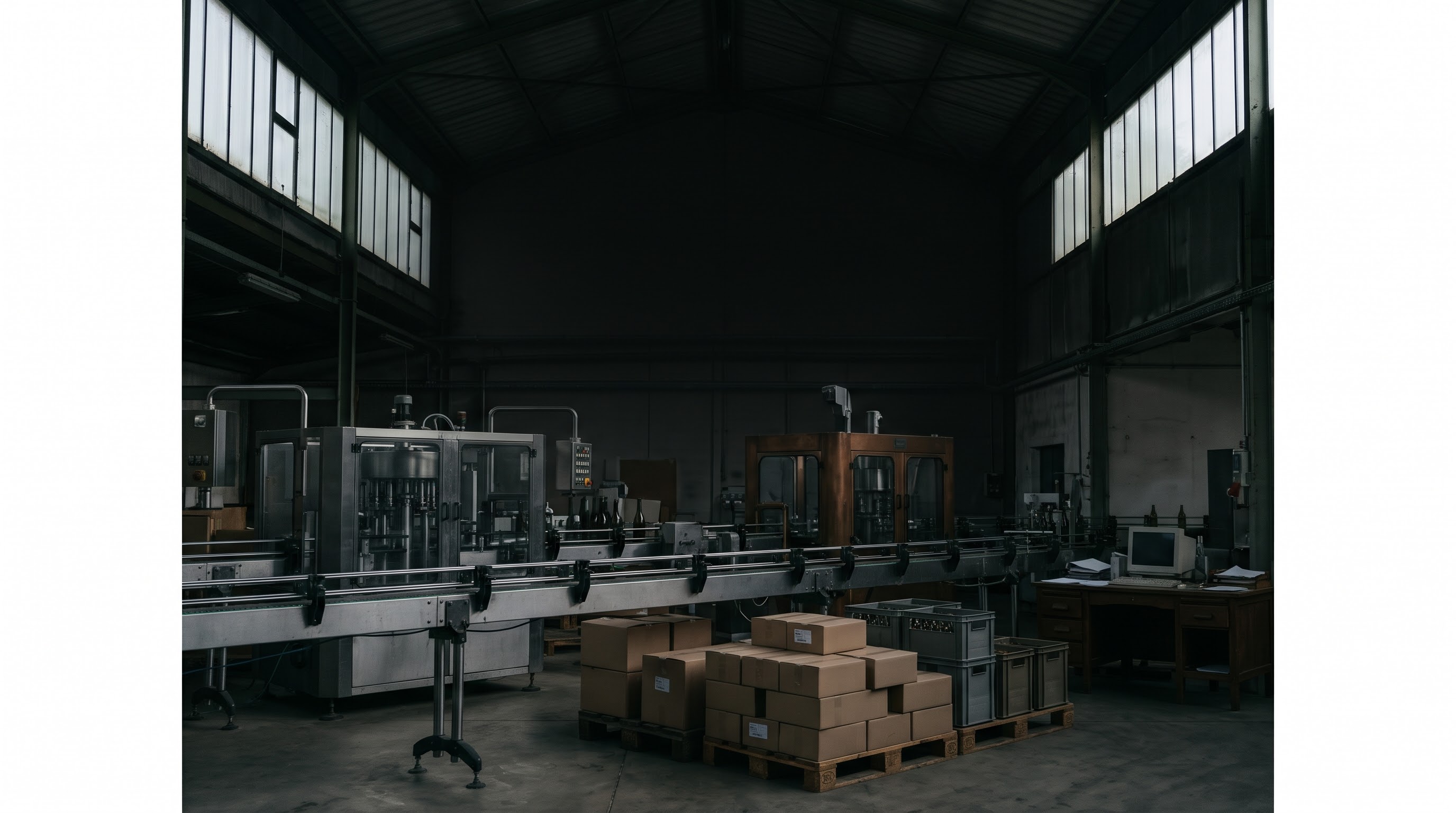
Dans certaines entreprises agroalimentaires, les limites industrielles sont très visibles : l’obsolescence des équipements. Les machines ne tiennent plus toujours les cadences. Les interventions de maintenance se multiplient. Une panne peut immobiliser une partie de la chaîne.In some food companies, the industrial limits are very visible: obsolete equipment. Machines no longer always hold the pace. Maintenance interventions multiply. A breakdown can bring part of the line to a halt.In some food companies, the industrial limits are very visible: obsolete equipment. Machines no longer always hold the pace. Maintenance interventions multiply. A breakdown can bring part of the line to a halt.In some food companies, the industrial limits are very visible: obsolete equipment. Machines no longer always hold the pace. Maintenance interventions multiply. A breakdown can bring part of the line to a halt.
Une ligne de conditionnement vieillissante, un équipement de transformation défaillant ou une machine qui demande des réparations fréquentes peuvent perturber toute l’organisation. Et quand l’entreprise tourne déjà près de ses capacités maximales, le moindre arrêt technique provoque des retards importants.An ageing packaging line, a failing processing unit or a machine that needs frequent repairs can disrupt the whole organisation. And when the company already runs near maximum capacity, the slightest technical stoppage causes major delays.An ageing packaging line, a failing processing unit or a machine that needs frequent repairs can disrupt the whole organisation. And when the company already runs near maximum capacity, the slightest technical stoppage causes major delays.An ageing packaging line, a failing processing unit or a machine that needs frequent repairs can disrupt the whole organisation. And when the company already runs near maximum capacity, the slightest technical stoppage causes major delays.
Pourtant, remplacer un équipement n’est pas seulement une dépense. C’est souvent un investissement majeur de productivité.Yet replacing equipment is not only an expense. It is often a major productivity investment.Yet replacing equipment is not only an expense. It is often a major productivity investment.Yet replacing equipment is not only an expense. It is often a major productivity investment.
Prenons une ligne de fabrication ou de conditionnement installée depuis vingt ans. La remplacer par un équipement moderne pourrait, selon l’installation, augmenter la production horaire de 10, 15 ou 20 %. Et les bénéfices ne s’arrêtent pas là : moins d’arrêts, moins de maintenance, des nettoyages optimisés, moins d’énergie, moins d’interventions manuelles.Take a manufacturing or packaging line installed twenty years ago. Replacing it with modern equipment could, depending on the setup, increase hourly output by 10, 15 or 20%. And the benefits do not stop there: fewer stoppages, less maintenance, optimised cleaning, less energy, fewer manual interventions.Take a manufacturing or packaging line installed twenty years ago. Replacing it with modern equipment could, depending on the setup, increase hourly output by 10, 15 or 20%. And the benefits do not stop there: fewer stoppages, less maintenance, optimised cleaning, less energy, fewer manual interventions.Take a manufacturing or packaging line installed twenty years ago. Replacing it with modern equipment could, depending on the setup, increase hourly output by 10, 15 or 20%. And the benefits do not stop there: fewer stoppages, less maintenance, optimised cleaning, less energy, fewer manual interventions.
À travail constant, l’entreprise produirait davantage… ce qui réglerait, pour un temps, la question des heures supplémentaires. Elle réduirait aussi son coût unitaire. Le gain est donc double : du chiffre d’affaires additionnel quand la demande existe, et un meilleur résultat opérationnel, y compris sur la production existante.With labour unchanged, the company would produce more… which would settle, for a time, the overtime question. It would also lower its unit cost. The gain is therefore twofold: additional revenue when demand exists, and a better operating result, including on existing output.With labour unchanged, the company would produce more… which would settle, for a time, the overtime question. It would also lower its unit cost. The gain is therefore twofold: additional revenue when demand exists, and a better operating result, including on existing output.With labour unchanged, the company would produce more… which would settle, for a time, the overtime question. It would also lower its unit cost. The gain is therefore twofold: additional revenue when demand exists, and a better operating result, including on existing output.
L’investissement répond ainsi à plusieurs objectifs à la fois : productivité, capacité, fiabilité, maîtrise des coûts et pérennité industrielle. Sa rentabilité dépend bien sûr du coût d’acquisition, du financement, des amortissements et des volumes réellement vendables. Tous les investissements ne sont pas rentables.Investment thus serves several goals at once: productivity, capacity, reliability, cost control and industrial durability. Its profitability of course depends on the purchase cost, financing, depreciation and the volumes actually sellable. Not every investment is profitable.Investment thus serves several goals at once: productivity, capacity, reliability, cost control and industrial durability. Its profitability of course depends on the purchase cost, financing, depreciation and the volumes actually sellable. Not every investment is profitable.Investment thus serves several goals at once: productivity, capacity, reliability, cost control and industrial durability. Its profitability of course depends on the purchase cost, financing, depreciation and the volumes actually sellable. Not every investment is profitable.
Mais l’erreur consiste à ne regarder que le coût visible de l’investissement. Le non-investissement a lui aussi un coût. La France est connue pour son sous-investissement… et pour sa défiance envers des banques qui ne jouent plus toujours leur rôle de financeur.But the mistake is to look only at the visible cost of investment. Not investing also has a cost. France is known for under-investment… and for its distrust of banks that no longer always play their financing role.But the mistake is to look only at the visible cost of investment. Not investing also has a cost. France is known for under-investment… and for its distrust of banks that no longer always play their financing role.But the mistake is to look only at the visible cost of investment. Not investing also has a cost. France is known for under-investment… and for its distrust of banks that no longer always play their financing role.
Une machine ancienne peut sembler intéressante parce qu’elle est amortie. Cela ne veut pas dire qu’elle est encore économiquement optimale. Maintenance, énergie, besoins en personnel, arrêts et productivité inférieure finissent par peser lourd face à la concurrence.An old machine may look attractive because it is written off. That does not mean it is still economically optimal. Maintenance, energy, staffing needs, stoppages and lower productivity eventually weigh heavily against the competition.An old machine may look attractive because it is written off. That does not mean it is still economically optimal. Maintenance, energy, staffing needs, stoppages and lower productivity eventually weigh heavily against the competition.An old machine may look attractive because it is written off. That does not mean it is still economically optimal. Maintenance, energy, staffing needs, stoppages and lower productivity eventually weigh heavily against the competition.
Et surtout, chaque commande refusée faute de capacité est une marge non réalisée. Elle n’apparaît nulle part dans les comptes.And above all, every order turned down for lack of capacity is a margin never earned. It appears nowhere in the accounts.And above all, every order turned down for lack of capacity is a margin never earned. It appears nowhere in the accounts.And above all, every order turned down for lack of capacity is a margin never earned. It appears nowhere in the accounts.
Le coût de l’investissement apparaît immédiatement. Le coût du non-investissement s’accumule en silence : pertes d’efficacité, commandes manquées, opportunités abandonnées.The cost of investment shows up immediately. The cost of non-investment accumulates in silence: lost efficiency, missed orders, abandoned opportunities.The cost of investment shows up immediately. The cost of non-investment accumulates in silence: lost efficiency, missed orders, abandoned opportunities.The cost of investment shows up immediately. The cost of non-investment accumulates in silence: lost efficiency, missed orders, abandoned opportunities.
À force de vouloir éviter le risque d’investir, certaines entreprises finissent par accepter durablement le risque de perdre leur compétitivité.By trying so hard to avoid the risk of investing, some companies end up durably accepting the risk of losing their competitiveness.By trying so hard to avoid the risk of investing, some companies end up durably accepting the risk of losing their competitiveness.By trying so hard to avoid the risk of investing, some companies end up durably accepting the risk of losing their competitiveness.
6. L’investissement industriel : quand l’aversion au risque freine la création de richesse6. Industrial investment: when risk aversion curbs wealth creation6. Industrial investment: when risk aversion curbs wealth creation6. Industrial investment: when risk aversion curbs wealth creation
Pourquoi certaines entreprises ne modernisent-elles pas leurs installations, alors que les gains semblent importants ? Essentiellement à cause de la rentabilité attendue et du risque.Why do some companies not modernise their facilities, when the gains seem significant? Essentially because of expected profitability and risk.Why do some companies not modernise their facilities, when the gains seem significant? Essentially because of expected profitability and risk.Why do some companies not modernise their facilities, when the gains seem significant? Essentially because of expected profitability and risk.
Une nouvelle ligne de production représente parfois un investissement considérable pour une PME. Le dirigeant doit intégrer le coût du financement, la trésorerie, l’évolution des commandes, le prix des matières premières et les incertitudes économiques. Si le retour sur investissement paraît trop faible ou trop lointain, il hésite à immobiliser des capitaux. C’est parfaitement compréhensible.A new production line can represent a considerable investment for an SME. The owner has to factor in the cost of financing, cash flow, the trend in orders, raw-material prices and economic uncertainty. If the return on investment looks too low or too distant, they hesitate to tie up capital. That is entirely understandable.A new production line can represent a considerable investment for an SME. The owner has to factor in the cost of financing, cash flow, the trend in orders, raw-material prices and economic uncertainty. If the return on investment looks too low or too distant, they hesitate to tie up capital. That is entirely understandable.A new production line can represent a considerable investment for an SME. The owner has to factor in the cost of financing, cash flow, the trend in orders, raw-material prices and economic uncertainty. If the return on investment looks too low or too distant, they hesitate to tie up capital. That is entirely understandable.
Mais quand cette prudence devient systématique, un cercle vicieux s’installe :But when that caution becomes systematic, a vicious circle sets in:But when that caution becomes systematic, a vicious circle sets in:But when that caution becomes systematic, a vicious circle sets in:
- L’entreprise n’investit pas, car l’environnement lui paraît trop incertain.the company does not invest, because the environment looks too uncertain;the company does not invest, because the environment looks too uncertain;the company does not invest, because the environment looks too uncertain;
- Ses capacités de production restent limitées.its production capacity stays limited;its production capacity stays limited;its production capacity stays limited;
- Elle ne peut pas honorer certaines commandes supplémentaires.it cannot fulfil certain additional orders;it cannot fulfil certain additional orders;it cannot fulfil certain additional orders;
- Cette croissance bloquée entretient sa prudence financière.this blocked growth sustains its financial caution.this blocked growth sustains its financial caution.this blocked growth sustains its financial caution.
Refuser le risque d’investir aujourd’hui peut coûter des revenus et de la compétitivité demain.Refusing the risk of investing today can cost revenue and competitiveness tomorrow.Refusing the risk of investing today can cost revenue and competitiveness tomorrow.Refusing the risk of investing today can cost revenue and competitiveness tomorrow.
Il faut aussi souligner que des équipements modernes réduisent la dépendance à une ressource devenue rare : le travail. L’automatisation permet parfois de produire plus avec le même effectif, ou autant avec moins d’heures, tout en améliorant la qualité et la fiabilité. Dans une économie qui peine à recruter, cette modernisation devrait être une priorité stratégique.It should also be stressed that modern equipment reduces dependence on a resource that has become scarce: labour. Automation sometimes lets you produce more with the same headcount, or as much with fewer hours, while improving quality and reliability. In an economy that struggles to recruit, this modernisation should be a strategic priority.It should also be stressed that modern equipment reduces dependence on a resource that has become scarce: labour. Automation sometimes lets you produce more with the same headcount, or as much with fewer hours, while improving quality and reliability. In an economy that struggles to recruit, this modernisation should be a strategic priority.It should also be stressed that modern equipment reduces dependence on a resource that has become scarce: labour. Automation sometimes lets you produce more with the same headcount, or as much with fewer hours, while improving quality and reliability. In an economy that struggles to recruit, this modernisation should be a strategic priority.
Encore faut-il que les entreprises aient les ressources financières, les perspectives commerciales et la confiance nécessaires pour investir.Provided, of course, that companies have the financial resources, the commercial outlook and the confidence needed to invest.Provided, of course, that companies have the financial resources, the commercial outlook and the confidence needed to invest.Provided, of course, that companies have the financial resources, the commercial outlook and the confidence needed to invest.
7. L’Europe et la culture de la précaution7. Europe and the culture of precaution7. Europe and the culture of precaution7. Europe and the culture of precaution
Au-delà des contraintes financières et humaines, je m’interroge sur une évolution culturelle plus large. L’Europe ne développe-t-elle pas une aversion excessive au risque ?Beyond financial and human constraints, I wonder about a broader cultural shift. Is Europe not developing an excessive aversion to risk?Beyond financial and human constraints, I wonder about a broader cultural shift. Is Europe not developing an excessive aversion to risk?Beyond financial and human constraints, I wonder about a broader cultural shift. Is Europe not developing an excessive aversion to risk?
Investir devient risqué. Recruter devient risqué. Lancer une activité devient risqué. Modifier un procédé industriel devient risqué. Et chaque initiative semble exiger davantage d’études, de procédures, d’autorisations et de précautions.Investing becomes risky. Hiring becomes risky. Starting an activity becomes risky. Changing an industrial process becomes risky. And every initiative seems to demand more studies, procedures, authorisations and precautions.Investing becomes risky. Hiring becomes risky. Starting an activity becomes risky. Changing an industrial process becomes risky. And every initiative seems to demand more studies, procedures, authorisations and precautions.Investing becomes risky. Hiring becomes risky. Starting an activity becomes risky. Changing an industrial process becomes risky. And every initiative seems to demand more studies, procedures, authorisations and precautions.
On entend parfois cette formule volontairement caricaturale : les Américains innovent, les Chinois copient, les Européens régulent. Elle est simplificatrice et ne rend justice ni à l’innovation européenne ni aux capacités technologiques chinoises. Mais elle traduit une perception que je rencontre régulièrement à l’international : l’Europe cherche parfois à encadrer les transformations avant d’avoir développé les capacités industrielles et commerciales qui pourraient en découler.You sometimes hear this deliberately caricatural line: the Americans innovate, the Chinese copy, the Europeans regulate. It is simplistic and does justice neither to European innovation nor to China’s technological capabilities. But it captures a perception I regularly encounter internationally: Europe sometimes seeks to frame transformations before it has built the industrial and commercial capacities that could flow from them.You sometimes hear this deliberately caricatural line: the Americans innovate, the Chinese copy, the Europeans regulate. It is simplistic and does justice neither to European innovation nor to China’s technological capabilities. But it captures a perception I regularly encounter internationally: Europe sometimes seeks to frame transformations before it has built the industrial and commercial capacities that could flow from them.You sometimes hear this deliberately caricatural line: the Americans innovate, the Chinese copy, the Europeans regulate. It is simplistic and does justice neither to European innovation nor to China’s technological capabilities. But it captures a perception I regularly encounter internationally: Europe sometimes seeks to frame transformations before it has built the industrial and commercial capacities that could flow from them.
Il est indispensable de protéger les consommateurs, les salariés et l’environnement. Mais toute réglementation a un coût de conformité. Et ce coût ne pèse pas de la même façon sur une multinationale dotée d’équipes juridiques que sur une PME de quelques dizaines de salariés. Une PME n’a pas de direction juridique : elle a un dirigeant qui remplit des formulaires le dimanche soir.It is essential to protect consumers, employees and the environment. But every regulation has a compliance cost. And that cost does not weigh the same on a multinational with legal teams as on an SME of a few dozen employees. An SME has no legal department: it has an owner filling in forms on Sunday evening.It is essential to protect consumers, employees and the environment. But every regulation has a compliance cost. And that cost does not weigh the same on a multinational with legal teams as on an SME of a few dozen employees. An SME has no legal department: it has an owner filling in forms on Sunday evening.It is essential to protect consumers, employees and the environment. But every regulation has a compliance cost. And that cost does not weigh the same on a multinational with legal teams as on an SME of a few dozen employees. An SME has no legal department: it has an owner filling in forms on Sunday evening.
À force de vouloir prévenir tous les risques, nous pouvons décourager précisément les initiatives qui devraient porter notre croissance.By trying so hard to prevent every risk, we can discourage precisely the initiatives that should drive our growth.By trying so hard to prevent every risk, we can discourage precisely the initiatives that should drive our growth.By trying so hard to prevent every risk, we can discourage precisely the initiatives that should drive our growth.
8. Protection de l’environnement : une nécessité qui peut devenir une contrainte de compétitivité8. Protecting the environment: a necessity that can become a competitiveness constraint8. Protecting the environment: a necessity that can become a competitiveness constraint8. Protecting the environment: a necessity that can become a competitiveness constraint
La question environnementale illustre bien nos contradictions. L’Europe transforme en profondeur ses pratiques industrielles et commerciales : réduction de certains emballages plastiques, recyclabilité, décarbonation, électrification des transports, nouvelles obligations environnementales. Ces objectifs sont légitimes.The environmental question illustrates our contradictions well. Europe is deeply transforming its industrial and commercial practices: reducing certain plastic packaging, recyclability, decarbonisation, electrifying transport, new environmental obligations. These goals are legitimate.The environmental question illustrates our contradictions well. Europe is deeply transforming its industrial and commercial practices: reducing certain plastic packaging, recyclability, decarbonisation, electrifying transport, new environmental obligations. These goals are legitimate.The environmental question illustrates our contradictions well. Europe is deeply transforming its industrial and commercial practices: reducing certain plastic packaging, recyclability, decarbonisation, electrifying transport, new environmental obligations. These goals are legitimate.
Mais quand on travaille à l’international, le contraste est frappant. Au Japon, en Corée du Sud, en Malaisie ou en Indonésie, je constate une utilisation considérable des emballages plastiques. Les produits sont souvent emballés individuellement, parfois sous plusieurs couches. Pendant ce temps, l’Europe demande à ses entreprises de transformer leurs conditionnements et d’absorber de nouvelles exigences.But when you work internationally, the contrast is striking. In Japan, South Korea, Malaysia or Indonesia, I see considerable use of plastic packaging. Products are often individually wrapped, sometimes in several layers. Meanwhile, Europe asks its companies to transform their packaging and absorb new requirements.But when you work internationally, the contrast is striking. In Japan, South Korea, Malaysia or Indonesia, I see considerable use of plastic packaging. Products are often individually wrapped, sometimes in several layers. Meanwhile, Europe asks its companies to transform their packaging and absorb new requirements.But when you work internationally, the contrast is striking. In Japan, South Korea, Malaysia or Indonesia, I see considerable use of plastic packaging. Products are often individually wrapped, sometimes in several layers. Meanwhile, Europe asks its companies to transform their packaging and absorb new requirements.
Les pays asiatiques ne sont pas dépourvus de politiques environnementales ; certains ont même des systèmes de tri et de recyclage très structurés. Mais les rythmes de transition, les habitudes de consommation et les contraintes imposées aux entreprises diffèrent fortement.Asian countries are not without environmental policies; some even have highly structured sorting and recycling systems. But the pace of transition, consumer habits and the constraints imposed on companies differ greatly.Asian countries are not without environmental policies; some even have highly structured sorting and recycling systems. But the pace of transition, consumer habits and the constraints imposed on companies differ greatly.Asian countries are not without environmental policies; some even have highly structured sorting and recycling systems. But the pace of transition, consumer habits and the constraints imposed on companies differ greatly.
Selon l’OCDE (Global Plastics Outlook, 2022), sans politiques plus ambitieuses, l’utilisation mondiale de plastique pourrait presque tripler entre 2019 et 2060, portée notamment par les économies émergentes d’Asie et d’Afrique.According to the OECD (Global Plastics Outlook, 2022), without more ambitious policies, global plastic use could almost triple between 2019 and 2060, driven notably by the emerging economies of Asia and Africa.According to the OECD (Global Plastics Outlook, 2022), without more ambitious policies, global plastic use could almost triple between 2019 and 2060, driven notably by the emerging economies of Asia and Africa.According to the OECD (Global Plastics Outlook, 2022), without more ambitious policies, global plastic use could almost triple between 2019 and 2060, driven notably by the emerging economies of Asia and Africa.
La contradiction est réelle. Comment rester compétitifs quand nous imposons à nos entreprises des transformations coûteuses que leurs concurrents étrangers ne sont pas tenus de réaliser au même rythme ?The contradiction is real. How do we stay competitive when we impose on our companies costly transformations that their foreign competitors are not required to carry out at the same pace?The contradiction is real. How do we stay competitive when we impose on our companies costly transformations that their foreign competitors are not required to carry out at the same pace?The contradiction is real. How do we stay competitive when we impose on our companies costly transformations that their foreign competitors are not required to carry out at the same pace?
Il ne s’agit pas de renoncer aux objectifs environnementaux. Il s’agit de s’assurer qu’ils améliorent réellement l’environnement, plutôt que de déplacer nos activités vers des régions aux règles différentes.This is not about giving up environmental goals. It is about making sure they genuinely improve the environment, rather than shifting our activities to regions with different rules.This is not about giving up environmental goals. It is about making sure they genuinely improve the environment, rather than shifting our activities to regions with different rules.This is not about giving up environmental goals. It is about making sure they genuinely improve the environment, rather than shifting our activities to regions with different rules.
9. L’électrification : entre ambitions politiques et réalités opérationnelles9. Electrification: between political ambition and operational reality9. Electrification: between political ambition and operational reality9. Electrification: between political ambition and operational reality
L’automobile électrique illustre un autre décalage. En Europe, les politiques de décarbonation poussent une transformation rapide de l’industrie automobile et des infrastructures. Ailleurs, les réalités sont très différentes.The electric car illustrates another gap. In Europe, decarbonisation policies push a rapid transformation of the car industry and of infrastructure. Elsewhere, the realities are very different.The electric car illustrates another gap. In Europe, decarbonisation policies push a rapid transformation of the car industry and of infrastructure. Elsewhere, the realities are very different.The electric car illustrates another gap. In Europe, decarbonisation policies push a rapid transformation of the car industry and of infrastructure. Elsewhere, the realities are very different.
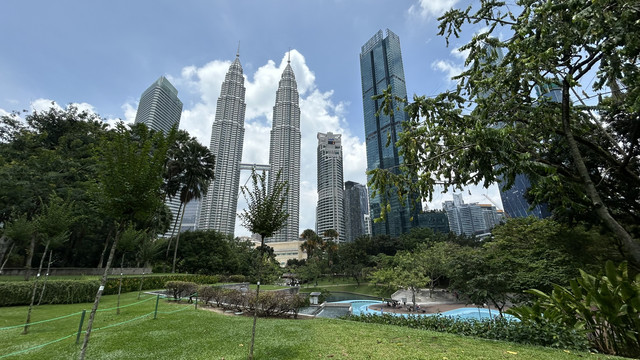
Prenons la Malaisie, où je séjourne régulièrement. À Kuala Lumpur, un véhicule électrique répond parfaitement aux déplacements urbains. Mais pour parcourir plusieurs centaines de kilomètres — rejoindre George Town ou longer la côte Est — les contraintes se multiplient.Take Malaysia, where I stay regularly. In Kuala Lumpur, an electric vehicle is perfectly suited to urban travel. But to cover several hundred kilometres — reaching George Town or driving the East Coast — the constraints pile up.Take Malaysia, where I stay regularly. In Kuala Lumpur, an electric vehicle is perfectly suited to urban travel. But to cover several hundred kilometres — reaching George Town or driving the East Coast — the constraints pile up.Take Malaysia, where I stay regularly. In Kuala Lumpur, an electric vehicle is perfectly suited to urban travel. But to cover several hundred kilometres — reaching George Town or driving the East Coast — the constraints pile up.
Des bornes existent sur plusieurs axes. Mais leur couverture, leur disponibilité, leur puissance et leur fiabilité ne garantissent pas partout l’expérience d’un véhicule thermique. Le sujet n’est pas le nombre de bornes annoncé au niveau national. C’est leur accessibilité réelle, leur fonctionnement, et la possibilité de voyager sans organiser chaque trajet autour de la recharge.Charging points exist on several routes. But their coverage, availability, power and reliability do not everywhere match the experience of a combustion vehicle. The issue is not the number of chargers announced nationally. It is their real accessibility, whether they work, and the ability to travel without planning every trip around charging.Charging points exist on several routes. But their coverage, availability, power and reliability do not everywhere match the experience of a combustion vehicle. The issue is not the number of chargers announced nationally. It is their real accessibility, whether they work, and the ability to travel without planning every trip around charging.Charging points exist on several routes. But their coverage, availability, power and reliability do not everywhere match the experience of a combustion vehicle. The issue is not the number of chargers announced nationally. It is their real accessibility, whether they work, and the ability to travel without planning every trip around charging.
Une transition technologique ne se décrète pas. Elle exige des infrastructures, des investissements et une évolution progressive des usages. Les économies n’avancent pas au même rythme, et il serait illusoire de croire que les choix réglementaires européens seront automatiquement reproduits ailleurs. La transition se décide à Bruxelles ; elle se vit devant une borne en panne, sur la route de Kuantan.A technological transition cannot be decreed. It requires infrastructure, investment and a gradual shift in habits. Economies do not move at the same pace, and it would be illusory to believe that European regulatory choices will automatically be reproduced elsewhere. The transition is decided in Brussels; it is lived in front of a broken charger, on the road to Kuantan.A technological transition cannot be decreed. It requires infrastructure, investment and a gradual shift in habits. Economies do not move at the same pace, and it would be illusory to believe that European regulatory choices will automatically be reproduced elsewhere. The transition is decided in Brussels; it is lived in front of a broken charger, on the road to Kuantan.A technological transition cannot be decreed. It requires infrastructure, investment and a gradual shift in habits. Economies do not move at the same pace, and it would be illusory to believe that European regulatory choices will automatically be reproduced elsewhere. The transition is decided in Brussels; it is lived in front of a broken charger, on the road to Kuantan.
10. La décroissance : une réponse écologique aux conséquences économiques majeures10. Degrowth: an ecological answer with major economic consequences10. Degrowth: an ecological answer with major economic consequences10. Degrowth: an ecological answer with major economic consequences
La décroissance occupe une place identifiable dans le débat intellectuel et politique européen, notamment en France. Ses défenseurs s’interrogent sur la possibilité de poursuivre indéfiniment une croissance matérielle dans un monde aux ressources limitées. Cette réflexion mérite d’être prise au sérieux.Degrowth holds an identifiable place in European — and especially French — intellectual and political debate. Its advocates question whether material growth can continue indefinitely in a world of limited resources. This reflection deserves to be taken seriously.Degrowth holds an identifiable place in European — and especially French — intellectual and political debate. Its advocates question whether material growth can continue indefinitely in a world of limited resources. This reflection deserves to be taken seriously.Degrowth holds an identifiable place in European — and especially French — intellectual and political debate. Its advocates question whether material growth can continue indefinitely in a world of limited resources. This reflection deserves to be taken seriously.
Jean-Marc Jancovici, dont j’apprécie personnellement de nombreuses analyses sur l’énergie et les contraintes physiques de nos économies, a largement contribué à diffuser cette interrogation. Ses travaux montrent les liens entre disponibilité énergétique, organisation industrielle et activité économique. Il défend une transformation profonde du système productif, avec des investissements importants pour sortir des énergies fossiles.Jean-Marc Jancovici, whose many analyses of energy and the physical constraints on our economies I personally appreciate, has done much to spread this question. His work shows the links between energy availability, industrial organisation and economic activity. He argues for a deep transformation of the productive system, with major investment to move away from fossil fuels.Jean-Marc Jancovici, whose many analyses of energy and the physical constraints on our economies I personally appreciate, has done much to spread this question. His work shows the links between energy availability, industrial organisation and economic activity. He argues for a deep transformation of the productive system, with major investment to move away from fossil fuels.Jean-Marc Jancovici, whose many analyses of energy and the physical constraints on our economies I personally appreciate, has done much to spread this question. His work shows the links between energy availability, industrial organisation and economic activity. He argues for a deep transformation of the productive system, with major investment to move away from fossil fuels.
Mais il faut bien distinguer la finalité de ces investissements. Il ne s’agit pas d’augmenter les volumes produits et consommés, mais de réduire l’empreinte matérielle et énergétique de l’économie. C’est cohérent sur le plan environnemental. Cela soulève pourtant une question économique fondamentale :But we must distinguish the purpose of such investment. It is not about increasing the volumes produced and consumed, but about reducing the economy’s material and energy footprint. That is coherent environmentally. Yet it raises a fundamental economic question:But we must distinguish the purpose of such investment. It is not about increasing the volumes produced and consumed, but about reducing the economy’s material and energy footprint. That is coherent environmentally. Yet it raises a fundamental economic question:But we must distinguish the purpose of such investment. It is not about increasing the volumes produced and consumed, but about reducing the economy’s material and energy footprint. That is coherent environmentally. Yet it raises a fundamental economic question:
Une stratégie de décroissance peut-elle être viable si les autres grandes économies ne l’adoptent pas en même temps ? Je le dis clairement : non.Can a degrowth strategy be viable if the other major economies do not adopt it at the same time? Let me say it plainly: no.Can a degrowth strategy be viable if the other major economies do not adopt it at the same time? Let me say it plainly: no.Can a degrowth strategy be viable if the other major economies do not adopt it at the same time? Let me say it plainly: no.
La Chine, l’Inde, l’Indonésie, le Vietnam et bien d’autres poursuivent leur développement industriel. Leurs populations aspirent légitimement à mieux vivre, à accéder à plus de biens et de services, et aux infrastructures dont nous disposons déjà. Pourquoi limiteraient-elles leurs ambitions pour rejoindre un modèle de sobriété défini en Europe ? D’autant que l’Occident a lui-même profité de plusieurs siècles d’industrialisation.China, India, Indonesia, Vietnam and many others are pursuing their industrial development. Their populations legitimately aspire to live better, to access more goods and services, and the infrastructure we already have. Why would they limit their ambitions to join a model of sobriety defined in Europe? Especially as the West itself benefited from several centuries of industrialisation.China, India, Indonesia, Vietnam and many others are pursuing their industrial development. Their populations legitimately aspire to live better, to access more goods and services, and the infrastructure we already have. Why would they limit their ambitions to join a model of sobriety defined in Europe? Especially as the West itself benefited from several centuries of industrialisation.China, India, Indonesia, Vietnam and many others are pursuing their industrial development. Their populations legitimately aspire to live better, to access more goods and services, and the infrastructure we already have. Why would they limit their ambitions to join a model of sobriety defined in Europe? Especially as the West itself benefited from several centuries of industrialisation.
Sur le plan économique, la difficulté demeure. Si l’Europe réduisait seule ses capacités de production, d’autres régions prendraient simplement les parts de marché abandonnées. La production mondiale ne baisserait pas forcément. Les émissions seraient déplacées plutôt que supprimées. Et l’Europe affaiblirait ses entreprises, son emploi industriel, ses recettes fiscales et sa capacité à financer son modèle social.Economically, the difficulty remains. If Europe alone reduced its production capacity, other regions would simply take the abandoned market share. Global production would not necessarily fall. Emissions would be displaced rather than removed. And Europe would weaken its companies, its industrial jobs, its tax revenues and its ability to finance its social model.Economically, the difficulty remains. If Europe alone reduced its production capacity, other regions would simply take the abandoned market share. Global production would not necessarily fall. Emissions would be displaced rather than removed. And Europe would weaken its companies, its industrial jobs, its tax revenues and its ability to finance its social model.Economically, the difficulty remains. If Europe alone reduced its production capacity, other regions would simply take the abandoned market share. Global production would not necessarily fall. Emissions would be displaced rather than removed. And Europe would weaken its companies, its industrial jobs, its tax revenues and its ability to finance its social model.
Toute politique de sobriété n’est pas contre-productive pour autant. Réduire les gaspillages, améliorer l’efficacité énergétique, développer des technologies plus propres : tout cela peut coexister avec une économie productive. Mais la sobriété ciblée ne doit pas être confondue avec une contraction économique généralisée. La première peut renforcer notre compétitivité. La seconde met en jeu notre niveau de vie, notre capacité d’investissement et notre place dans le monde.Not every sobriety policy is counterproductive, though. Reducing waste, improving energy efficiency, developing cleaner technologies: all of this can coexist with a productive economy. But targeted sobriety must not be confused with a generalised economic contraction. The first can strengthen our competitiveness. The second puts at stake our standard of living, our capacity to invest and our place in the world.Not every sobriety policy is counterproductive, though. Reducing waste, improving energy efficiency, developing cleaner technologies: all of this can coexist with a productive economy. But targeted sobriety must not be confused with a generalised economic contraction. The first can strengthen our competitiveness. The second puts at stake our standard of living, our capacity to invest and our place in the world.Not every sobriety policy is counterproductive, though. Reducing waste, improving energy efficiency, developing cleaner technologies: all of this can coexist with a productive economy. But targeted sobriety must not be confused with a generalised economic contraction. The first can strengthen our competitiveness. The second puts at stake our standard of living, our capacity to invest and our place in the world.
11. Exporter des produits alimentaires : une aberration écologique ?11. Exporting food: an ecological absurdity?11. Exporting food: an ecological absurdity?11. Exporting food: an ecological absurdity?
Cette réflexion devient très concrète dans mon métier. On entend parfois que l’alimentation devrait être produite et consommée localement. Le principe a des avantages : moins de transport, une traçabilité plus simple, un soutien aux producteurs locaux. Mais en faire une règle universelle serait une erreur économique.This reflection becomes very concrete in my line of work. You sometimes hear that food should be produced and consumed locally. The principle has advantages: less transport, simpler traceability, support for local producers. But making it a universal rule would be an economic mistake.This reflection becomes very concrete in my line of work. You sometimes hear that food should be produced and consumed locally. The principle has advantages: less transport, simpler traceability, support for local producers. But making it a universal rule would be an economic mistake.This reflection becomes very concrete in my line of work. You sometimes hear that food should be produced and consumed locally. The principle has advantages: less transport, simpler traceability, support for local producers. But making it a universal rule would be an economic mistake.
La France possède des filières spécialisées dont les savoir-faire et les débouchés dépassent largement son marché intérieur : les vins, les fromages, le beurre gastronomique, la pâtisserie, de nombreuses spécialités régionales. C’est un patrimoine économique et culturel, dont la valeur tient précisément à sa capacité à toucher des consommateurs du monde entier. Pourquoi le limiter au seul marché français ?France has specialised sectors whose know-how and outlets far exceed its domestic market: wines, cheeses, gourmet butter, pastry, many regional specialities. This is an economic and cultural heritage whose value lies precisely in its ability to reach consumers worldwide. Why limit it to the French market alone?France has specialised sectors whose know-how and outlets far exceed its domestic market: wines, cheeses, gourmet butter, pastry, many regional specialities. This is an economic and cultural heritage whose value lies precisely in its ability to reach consumers worldwide. Why limit it to the French market alone?France has specialised sectors whose know-how and outlets far exceed its domestic market: wines, cheeses, gourmet butter, pastry, many regional specialities. This is an economic and cultural heritage whose value lies precisely in its ability to reach consumers worldwide. Why limit it to the French market alone?
Parce que le transport émet ? Il a un impact, parfois important, surtout en fret aérien. Mais l’empreinte d’un produit ne se résume pas aux kilomètres parcourus. Méthodes agricoles, procédés industriels, énergie, stockage, emballages et modes de transport comptent tout autant. Un produit local n’est pas automatiquement plus vertueux qu’un produit importé. Un produit exporté n’est pas automatiquement irresponsable.Because transport emits? It has an impact, sometimes significant, especially by air freight. But a product’s footprint is not reduced to the miles travelled. Farming methods, industrial processes, energy, storage, packaging and modes of transport all count just as much. A local product is not automatically more virtuous than an imported one. An exported product is not automatically irresponsible.Because transport emits? It has an impact, sometimes significant, especially by air freight. But a product’s footprint is not reduced to the miles travelled. Farming methods, industrial processes, energy, storage, packaging and modes of transport all count just as much. A local product is not automatically more virtuous than an imported one. An exported product is not automatically irresponsible.Because transport emits? It has an impact, sometimes significant, especially by air freight. But a product’s footprint is not reduced to the miles travelled. Farming methods, industrial processes, energy, storage, packaging and modes of transport all count just as much. A local product is not automatically more virtuous than an imported one. An exported product is not automatically irresponsible.
L’export agroalimentaire n’est pas une activité accessoire qu’il faudrait tolérer. C’est l’un des moteurs de nombreuses filières françaises : il valorise nos savoir-faire, maintient des emplois, finance des investissements et assure notre présence à l’international. Le décourager par principe fragiliserait les entreprises que nous prétendons protéger… et ferait le bonheur de nos concurrents, qui n’ont pas ces états d’âme.Food exporting is not an incidental activity to be merely tolerated. It is one of the engines of many French sectors: it adds value to our know-how, sustains jobs, finances investment and ensures our international presence. Discouraging it on principle would weaken the very companies we claim to protect… and delight our competitors, who have no such qualms.Food exporting is not an incidental activity to be merely tolerated. It is one of the engines of many French sectors: it adds value to our know-how, sustains jobs, finances investment and ensures our international presence. Discouraging it on principle would weaken the very companies we claim to protect… and delight our competitors, who have no such qualms.Food exporting is not an incidental activity to be merely tolerated. It is one of the engines of many French sectors: it adds value to our know-how, sustains jobs, finances investment and ensures our international presence. Discouraging it on principle would weaken the very companies we claim to protect… and delight our competitors, who have no such qualms.
12. L’Occident n’est plus automatiquement le modèle du monde12. The West is no longer automatically the world’s model12. The West is no longer automatically the world’s model12. The West is no longer automatically the world’s model
Pendant des siècles, les puissances occidentales ont dominé les échanges, les technologies et les modèles économiques. Ce n’est clairement plus le cas, n’en déplaise à nos responsables politiques. L’Asie a désormais ses propres centres industriels, technologiques et financiers. Ses entreprises suivent leurs propres stratégies, et ses consommateurs ne cherchent pas à reproduire nos modes de vie — ou du moins, pas comme nous l’imaginons.For centuries, the Western powers dominated trade, technology and economic models. That is clearly no longer the case, whatever our politicians may wish. Asia now has its own industrial, technological and financial centres. Its companies follow their own strategies, and its consumers are not seeking to reproduce our ways of life — or at least, not in the way we imagine.For centuries, the Western powers dominated trade, technology and economic models. That is clearly no longer the case, whatever our politicians may wish. Asia now has its own industrial, technological and financial centres. Its companies follow their own strategies, and its consumers are not seeking to reproduce our ways of life — or at least, not in the way we imagine.For centuries, the Western powers dominated trade, technology and economic models. That is clearly no longer the case, whatever our politicians may wish. Asia now has its own industrial, technological and financial centres. Its companies follow their own strategies, and its consumers are not seeking to reproduce our ways of life — or at least, not in the way we imagine.
Deux idées reviennent souvent dans mes discussions, en Asie comme ailleurs. La première : « L’Occident a profité de la croissance matérielle pendant des générations ; c’est maintenant notre tour. Vous, les Européens, vous représentez le passé » — je vous épargne les autres adjectifs, peu reluisants. La seconde : « Arrêtez de vouloir sauver le monde, et occupez-vous de vos gens et de votre économie. » La première se discute sur le plan environnemental, mais elle a une logique historique et économique compréhensible. La seconde fait mal… parce qu’elle n’est pas complètement fausse.Two ideas come up often in my discussions, in Asia and elsewhere. The first: “The West enjoyed material growth for generations; now it is our turn. You Europeans are the past” — I will spare you the other, less flattering adjectives. The second: “Stop trying to save the world, and look after your own people and your own economy.” The first is debatable on environmental grounds, but has an understandable historical and economic logic. The second stings… because it is not entirely wrong.Two ideas come up often in my discussions, in Asia and elsewhere. The first: “The West enjoyed material growth for generations; now it is our turn. You Europeans are the past” — I will spare you the other, less flattering adjectives. The second: “Stop trying to save the world, and look after your own people and your own economy.” The first is debatable on environmental grounds, but has an understandable historical and economic logic. The second stings… because it is not entirely wrong.Two ideas come up often in my discussions, in Asia and elsewhere. The first: “The West enjoyed material growth for generations; now it is our turn. You Europeans are the past” — I will spare you the other, less flattering adjectives. The second: “Stop trying to save the world, and look after your own people and your own economy.” The first is debatable on environmental grounds, but has an understandable historical and economic logic. The second stings… because it is not entirely wrong.
L’Europe ne peut pas supposer que ses préférences réglementaires, environnementales et sociales deviendront universelles. Les objectifs de l’Indonésie, du Vietnam, de l’Inde ou de la Malaisie (et j’en passe…) ne sont pas les nôtres, et leurs gouvernements ne ralentiront pas leurs économies pour répondre à nos priorités. Le devraient-ils ? Je ne le pense pas.Europe cannot assume that its regulatory, environmental and social preferences will become universal. The goals of Indonesia, Vietnam, India or Malaysia (and others…) are not ours, and their governments will not slow their economies to meet our priorities. Should they? I do not think so.Europe cannot assume that its regulatory, environmental and social preferences will become universal. The goals of Indonesia, Vietnam, India or Malaysia (and others…) are not ours, and their governments will not slow their economies to meet our priorities. Should they? I do not think so.Europe cannot assume that its regulatory, environmental and social preferences will become universal. The goals of Indonesia, Vietnam, India or Malaysia (and others…) are not ours, and their governments will not slow their economies to meet our priorities. Should they? I do not think so.
Nous devons accepter que l’Europe n’a plus le monopole de la définition du progrès, et ce dans bien trop de domaines. Cela ne veut pas dire abandonner nos principes. Cela veut dire les défendre avec réalisme, en mesurant les conséquences de nos choix sur notre propre compétitivité. Évitons de perdre notre combativité… pour ne pas dire de nous offrir un suicide collectif.We must accept that Europe no longer has a monopoly on defining progress, in far too many fields. That does not mean abandoning our principles. It means defending them realistically, weighing the consequences of our choices on our own competitiveness. Let us avoid losing our fighting spirit… not to say offering ourselves a collective suicide.We must accept that Europe no longer has a monopoly on defining progress, in far too many fields. That does not mean abandoning our principles. It means defending them realistically, weighing the consequences of our choices on our own competitiveness. Let us avoid losing our fighting spirit… not to say offering ourselves a collective suicide.We must accept that Europe no longer has a monopoly on defining progress, in far too many fields. That does not mean abandoning our principles. It means defending them realistically, weighing the consequences of our choices on our own competitiveness. Let us avoid losing our fighting spirit… not to say offering ourselves a collective suicide.
13. Le paradoxe d’une économie collectivement bridée13. The paradox of a collectively throttled economy13. The paradox of a collectively throttled economy13. The paradox of a collectively throttled economy
Quand on rassemble ces phénomènes, un mécanisme préoccupant, et franchement frustrant, apparaît. Les entreprises peinent à recruter. Leur volume de travail est difficilement extensible. Leurs équipements vieillissent. Leur modernisation est reportée, faute de rentabilité jugée suffisante ou assez certaine. Les contraintes réglementaires alourdissent leurs coûts. Et une partie du débat public questionne la légitimité même de la croissance.When you bring these phenomena together, a worrying — and frankly frustrating — mechanism appears. Companies struggle to recruit. Their volume of labour is hard to expand. Their equipment ages. Modernisation is postponed, for lack of profitability judged sufficient or certain enough. Regulatory constraints raise their costs. And part of public debate questions the very legitimacy of growth.When you bring these phenomena together, a worrying — and frankly frustrating — mechanism appears. Companies struggle to recruit. Their volume of labour is hard to expand. Their equipment ages. Modernisation is postponed, for lack of profitability judged sufficient or certain enough. Regulatory constraints raise their costs. And part of public debate questions the very legitimacy of growth.When you bring these phenomena together, a worrying — and frankly frustrating — mechanism appears. Companies struggle to recruit. Their volume of labour is hard to expand. Their equipment ages. Modernisation is postponed, for lack of profitability judged sufficient or certain enough. Regulatory constraints raise their costs. And part of public debate questions the very legitimacy of growth.
Chaque décision, prise isolément, est rationnelle :Each decision, taken in isolation, is rational:Each decision, taken in isolation, is rational:Each decision, taken in isolation, is rational:
- le salarié privilégie son équilibre personnel ;the employee prioritises personal balance;the employee prioritises personal balance;the employee prioritises personal balance;
- le dirigeant protège sa trésorerie, gère le risque… et ménage ses troupes ;the owner protects cash flow, manages risk… and spares the troops;the owner protects cash flow, manages risk… and spares the troops;the owner protects cash flow, manages risk… and spares the troops;
- l’investisseur cherche une rentabilité à la hauteur du risque ;the investor seeks a return commensurate with the risk;the investor seeks a return commensurate with the risk;the investor seeks a return commensurate with the risk;
- le régulateur prévient les effets négatifs de l’activité, parfois avec un zèle castrateur ;the regulator prevents the negative effects of activity, sometimes with castrating zeal;the regulator prevents the negative effects of activity, sometimes with castrating zeal;the regulator prevents the negative effects of activity, sometimes with castrating zeal;
- une nouvelle génération s’est lancée dans une défense exacerbée de la sobriété et veut préserver les ressources ;a new generation has thrown itself into a heightened defence of sobriety and wants to preserve resources;a new generation has thrown itself into a heightened defence of sobriety and wants to preserve resources;a new generation has thrown itself into a heightened defence of sobriety and wants to preserve resources;
- et, au-dessus de tout cela, plane une peur collective de l’avenir qui paralyse toute initiative.and, above all this, hovers a collective fear of the future that paralyses any initiative.and, above all this, hovers a collective fear of the future that paralyses any initiative.and, above all this, hovers a collective fear of the future that paralyses any initiative.
Mais la combinaison de toutes ces décisions rationnelles — et de leurs contradictions — produit un résultat collectivement problématique : nous limitons en même temps nos facteurs de production, nos incitations à investir et notre capacité à conquérir de nouveaux marchés.But the combination of all these rational decisions — and of their contradictions — produces a collectively problematic result: we are simultaneously limiting our factors of production, our incentives to invest and our ability to win new markets.But the combination of all these rational decisions — and of their contradictions — produces a collectively problematic result: we are simultaneously limiting our factors of production, our incentives to invest and our ability to win new markets.But the combination of all these rational decisions — and of their contradictions — produces a collectively problematic result: we are simultaneously limiting our factors of production, our incentives to invest and our ability to win new markets.
Ce n’est plus seulement un problème de productivité horaire. C’est un problème de capacité productive, de volonté de croissance et d’allocation des ressources. Une économie peut avoir des travailleurs (plus ou moins) compétents, des industries reconnues et des débouchés… tout en n’ayant plus les marges de manœuvre pour mobiliser assez de capital et de travail, et saisir les opportunités qui se présentent. C’est exactement ce que j’observe dans certaines filières européennes.This is no longer merely a problem of hourly productivity. It is a problem of productive capacity, of the will to grow and of resource allocation. An economy can have (more or less) skilled workers, respected industries and outlets… while no longer having the room for manoeuvre to mobilise enough capital and labour and seize the opportunities that arise. That is exactly what I observe in certain European sectors.This is no longer merely a problem of hourly productivity. It is a problem of productive capacity, of the will to grow and of resource allocation. An economy can have (more or less) skilled workers, respected industries and outlets… while no longer having the room for manoeuvre to mobilise enough capital and labour and seize the opportunities that arise. That is exactly what I observe in certain European sectors.This is no longer merely a problem of hourly productivity. It is a problem of productive capacity, of the will to grow and of resource allocation. An economy can have (more or less) skilled workers, respected industries and outlets… while no longer having the room for manoeuvre to mobilise enough capital and labour and seize the opportunities that arise. That is exactly what I observe in certain European sectors.
14. Retrouver une culture de la productivité, de l’investissement et de la vitesse d’exécution14. Rebuilding a culture of productivity, investment and speed of execution14. Rebuilding a culture of productivity, investment and speed of execution14. Rebuilding a culture of productivity, investment and speed of execution
Je suis un libéral, au sens économique du terme, et je ne crois pas qu’il faille opposer croissance et protection sociale, ni développement industriel et responsabilité environnementale. Mais nous devons retrouver une culture de l’offensive : la productivité, la décision rapide et l’exécution. Concrètement :I am a liberal, in the economic sense, and I do not believe growth and social protection must be set against each other, nor industrial development and environmental responsibility. But we must rebuild a culture of the offensive: productivity, fast decisions and execution. Concretely:I am a liberal, in the economic sense, and I do not believe growth and social protection must be set against each other, nor industrial development and environmental responsibility. But we must rebuild a culture of the offensive: productivity, fast decisions and execution. Concretely:I am a liberal, in the economic sense, and I do not believe growth and social protection must be set against each other, nor industrial development and environmental responsibility. But we must rebuild a culture of the offensive: productivity, fast decisions and execution. Concretely:
- rendre l’investissement industriel plus attractif, pour que les PME modernisent et automatisent leurs installations ;make industrial investment more attractive, so that SMEs modernise and automate their facilities;make industrial investment more attractive, so that SMEs modernise and automate their facilities;make industrial investment more attractive, so that SMEs modernise and automate their facilities;
- rendre l’engagement supplémentaire intéressant, pour les collaborateurs comme pour les entreprises ;make extra commitment worthwhile, for employees and companies alike;make extra commitment worthwhile, for employees and companies alike;make extra commitment worthwhile, for employees and companies alike;
- faciliter le recrutement, la formation et l’adaptation des organisations… mais aussi les séparations, le cas échéant ;ease recruitment, training and the adaptation of organisations… but also separations, where necessary;ease recruitment, training and the adaptation of organisations… but also separations, where necessary;ease recruitment, training and the adaptation of organisations… but also separations, where necessary;
- supprimer les contraintes administratives d’un autre temps, dont le coût dépasse le bénéfice économique, social ou environnemental. Pour mémoire : le Code du travail français compte plus de 10 000 articles ; en Suisse, l’essentiel du contrat de travail tient en 44 articles du Code des obligations. Cherchez l’erreur…remove administrative constraints from another age, whose cost exceeds their economic, social or environmental benefit. For the record: the French Labour Code has more than 10,000 articles; in Switzerland, the essentials of the employment contract fit into 44 articles of the Code of Obligations. Spot the difference…remove administrative constraints from another age, whose cost exceeds their economic, social or environmental benefit. For the record: the French Labour Code has more than 10,000 articles; in Switzerland, the essentials of the employment contract fit into 44 articles of the Code of Obligations. Spot the difference…remove administrative constraints from another age, whose cost exceeds their economic, social or environmental benefit. For the record: the French Labour Code has more than 10,000 articles; in Switzerland, the essentials of the employment contract fit into 44 articles of the Code of Obligations. Spot the difference…
Il faut aussi réhabiliter le risque entrepreneurial. Investir, recruter, conquérir un marché comporte toujours une part d’incertitude. Vouloir l’éliminer totalement revient souvent à renoncer à l’initiative. Encore faut-il que le terreau soit là… et que l’État ne vous mette pas des bâtons dans les roues.We must also rehabilitate entrepreneurial risk. Investing, hiring, winning a market always carries a share of uncertainty. Seeking to eliminate it entirely often amounts to giving up on initiative. Provided the ground is fertile… and the State does not put spokes in your wheels.We must also rehabilitate entrepreneurial risk. Investing, hiring, winning a market always carries a share of uncertainty. Seeking to eliminate it entirely often amounts to giving up on initiative. Provided the ground is fertile… and the State does not put spokes in your wheels.We must also rehabilitate entrepreneurial risk. Investing, hiring, winning a market always carries a share of uncertainty. Seeking to eliminate it entirely often amounts to giving up on initiative. Provided the ground is fertile… and the State does not put spokes in your wheels.
L’intelligence artificielle, la robotisation et l’automatisation sont des leviers considérables, dont les effets restent largement sous-estimés. Mais elles demandent des investissements, des compétences et une vraie volonté de transformation.Artificial intelligence, robotisation and automation are considerable levers, whose effects remain largely underestimated. But they require investment, skills and a real will to transform.Artificial intelligence, robotisation and automation are considerable levers, whose effects remain largely underestimated. But they require investment, skills and a real will to transform.Artificial intelligence, robotisation and automation are considerable levers, whose effects remain largely underestimated. But they require investment, skills and a real will to transform.
Enfin, distinguons la croissance des volumes physiques de celle de la valeur ajoutée. Une entreprise peut créer plus de richesse avec moins d’énergie, moins de matières et moins d’heures par unité produite. C’est tout l’intérêt de l’investissement productif : il peut améliorer à la fois la compétitivité et l’efficacité environnementale. Il serait paradoxal de le décourager au nom de la prudence, alors qu’il apporte une partie des solutions que nous cherchons.Finally, let us distinguish growth in physical volumes from growth in added value. A company can create more wealth with less energy, fewer materials and fewer hours per unit produced. That is the whole point of productive investment: it can improve both competitiveness and environmental efficiency. It would be paradoxical to discourage it in the name of caution, when it provides part of the very solutions we are looking for.Finally, let us distinguish growth in physical volumes from growth in added value. A company can create more wealth with less energy, fewer materials and fewer hours per unit produced. That is the whole point of productive investment: it can improve both competitiveness and environmental efficiency. It would be paradoxical to discourage it in the name of caution, when it provides part of the very solutions we are looking for.Finally, let us distinguish growth in physical volumes from growth in added value. A company can create more wealth with less energy, fewer materials and fewer hours per unit produced. That is the whole point of productive investment: it can improve both competitiveness and environmental efficiency. It would be paradoxical to discourage it in the name of caution, when it provides part of the very solutions we are looking for.
Conclusion — À force de vouloir nous protéger — de tout protéger — avons-nous oublié comment avancer ?Conclusion — In trying to protect ourselves — to protect everything — have we forgotten how to move forward?Conclusion — In trying to protect ourselves — to protect everything — have we forgotten how to move forward?Conclusion — In trying to protect ourselves — to protect everything — have we forgotten how to move forward?
L’Europe dispose encore d’atouts considérables : des compétences, des infrastructures, des savoir-faire, des entrepreneurs et une capacité d’innovation reconnue. Mais ces acquis ne garantissent pas notre prospérité.Europe still has considerable assets: skills, infrastructure, know-how, entrepreneurs and a recognised capacity for innovation. But these assets do not guarantee our prosperity.Europe still has considerable assets: skills, infrastructure, know-how, entrepreneurs and a recognised capacity for innovation. But these assets do not guarantee our prosperity.Europe still has considerable assets: skills, infrastructure, know-how, entrepreneurs and a recognised capacity for innovation. But these assets do not guarantee our prosperity.
Notre modèle social doit être financé. Nos infrastructures entretenues. Nos industries modernisées. Et nos entreprises doivent pouvoir recruter, investir, produire et conquérir de nouveaux marchés.Our social model must be financed. Our infrastructure maintained. Our industries modernised. And our companies must be able to recruit, invest, produce and win new markets.Our social model must be financed. Our infrastructure maintained. Our industries modernised. And our companies must be able to recruit, invest, produce and win new markets.Our social model must be financed. Our infrastructure maintained. Our industries modernised. And our companies must be able to recruit, invest, produce and win new markets.
Nous ne pouvons pas, en même temps, vouloir plus de souveraineté, préserver notre niveau de vie, financer nos protections sociales… et accepter durablement que notre capacité à créer de la richesse soit bridée.We cannot, at the same time, want more sovereignty, preserve our standard of living, finance our social protections… and durably accept that our capacity to create wealth be throttled.We cannot, at the same time, want more sovereignty, preserve our standard of living, finance our social protections… and durably accept that our capacity to create wealth be throttled.We cannot, at the same time, want more sovereignty, preserve our standard of living, finance our social protections… and durably accept that our capacity to create wealth be throttled.
La croissance n’est pas une fin en soi. Elle ne doit pas se faire au détriment de l’humain ou de l’environnement. Mais une économie qui cesse d’investir, de moderniser ses équipements et de mobiliser ses ressources voit sa compétitivité s’éroder. Et cette érosion finit par toucher l’emploi, les revenus, les finances publiques et nos ambitions collectives.Growth is not an end in itself. It must not come at the expense of people or the environment. But an economy that stops investing, modernising its equipment and mobilising its resources sees its competitiveness erode. And that erosion eventually reaches jobs, incomes, public finances and our collective ambitions.Growth is not an end in itself. It must not come at the expense of people or the environment. But an economy that stops investing, modernising its equipment and mobilising its resources sees its competitiveness erode. And that erosion eventually reaches jobs, incomes, public finances and our collective ambitions.Growth is not an end in itself. It must not come at the expense of people or the environment. But an economy that stops investing, modernising its equipment and mobilising its resources sees its competitiveness erode. And that erosion eventually reaches jobs, incomes, public finances and our collective ambitions.
Nous devons pouvoir protéger l’environnement sans pénaliser systématiquement nos entreprises. Préserver notre qualité de vie sans interdire toute hausse de production. Protéger les salariés sans empêcher les organisations de s’adapter. Défendre nos standards sans ignorer la concurrence internationale.We must be able to protect the environment without systematically penalising our companies. Preserve our quality of life without banning any rise in output. Protect employees without preventing organisations from adapting. Defend our standards without ignoring international competition.We must be able to protect the environment without systematically penalising our companies. Preserve our quality of life without banning any rise in output. Protect employees without preventing organisations from adapting. Defend our standards without ignoring international competition.We must be able to protect the environment without systematically penalising our companies. Preserve our quality of life without banning any rise in output. Protect employees without preventing organisations from adapting. Defend our standards without ignoring international competition.
Car pendant que nous hésitons, d’autres économies investissent, développent leurs infrastructures, améliorent leurs processus et conquièrent nos marchés.Because while we hesitate, other economies invest, build their infrastructure, improve their processes and win our markets.Because while we hesitate, other economies invest, build their infrastructure, improve their processes and win our markets.Because while we hesitate, other economies invest, build their infrastructure, improve their processes and win our markets.
À force de vouloir éliminer tous les risques, nous avons peut-être créé le plus grand d’entre eux : celui de ne plus pouvoir avancer.By trying to eliminate every risk, we may have created the greatest one of all: no longer being able to move forward.By trying to eliminate every risk, we may have created the greatest one of all: no longer being able to move forward.By trying to eliminate every risk, we may have created the greatest one of all: no longer being able to move forward.
La vraie question n’est donc pas de savoir si l’Europe peut encore croître. C’est de savoir si nous avons encore, collectivement, la volonté, les incitations et les moyens de rendre cette croissance possible… sous peine d’un véritable déclassement.The real question, then, is not whether Europe can still grow. It is whether we still have, collectively, the will, the incentives and the means to make that growth possible… on pain of a genuine downgrading.The real question, then, is not whether Europe can still grow. It is whether we still have, collectively, the will, the incentives and the means to make that growth possible… on pain of a genuine downgrading.The real question, then, is not whether Europe can still grow. It is whether we still have, collectively, the will, the incentives and the means to make that growth possible… on pain of a genuine downgrading.
Cette tribune reflète une analyse personnelle, fondée sur plusieurs années d’expérience du commerce international, notamment dans l’agroalimentaire, entre l’Europe, l’Asie et l’Amérique latine. Les observations de terrain ne prétendent pas décrire uniformément l’ensemble des entreprises, des salariés ou des économies concernées.This opinion piece reflects a personal analysis, based on several years of experience in international trade, notably in food and agriculture, between Europe, Asia and Latin America. The field observations do not claim to describe uniformly all the companies, employees or economies concerned.This opinion piece reflects a personal analysis, based on several years of experience in international trade, notably in food and agriculture, between Europe, Asia and Latin America. The field observations do not claim to describe uniformly all the companies, employees or economies concerned.This opinion piece reflects a personal analysis, based on several years of experience in international trade, notably in food and agriculture, between Europe, Asia and Latin America. The field observations do not claim to describe uniformly all the companies, employees or economies concerned.





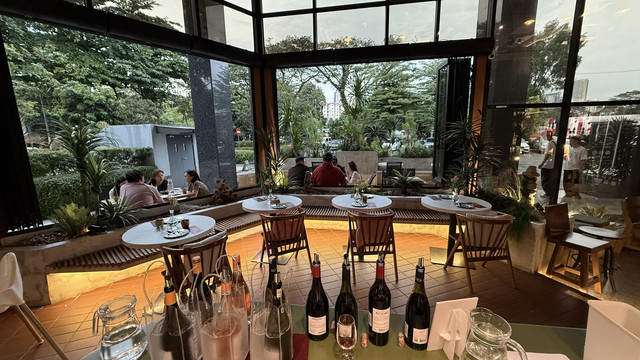










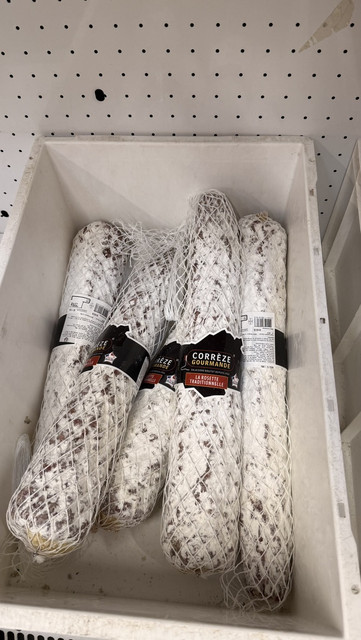
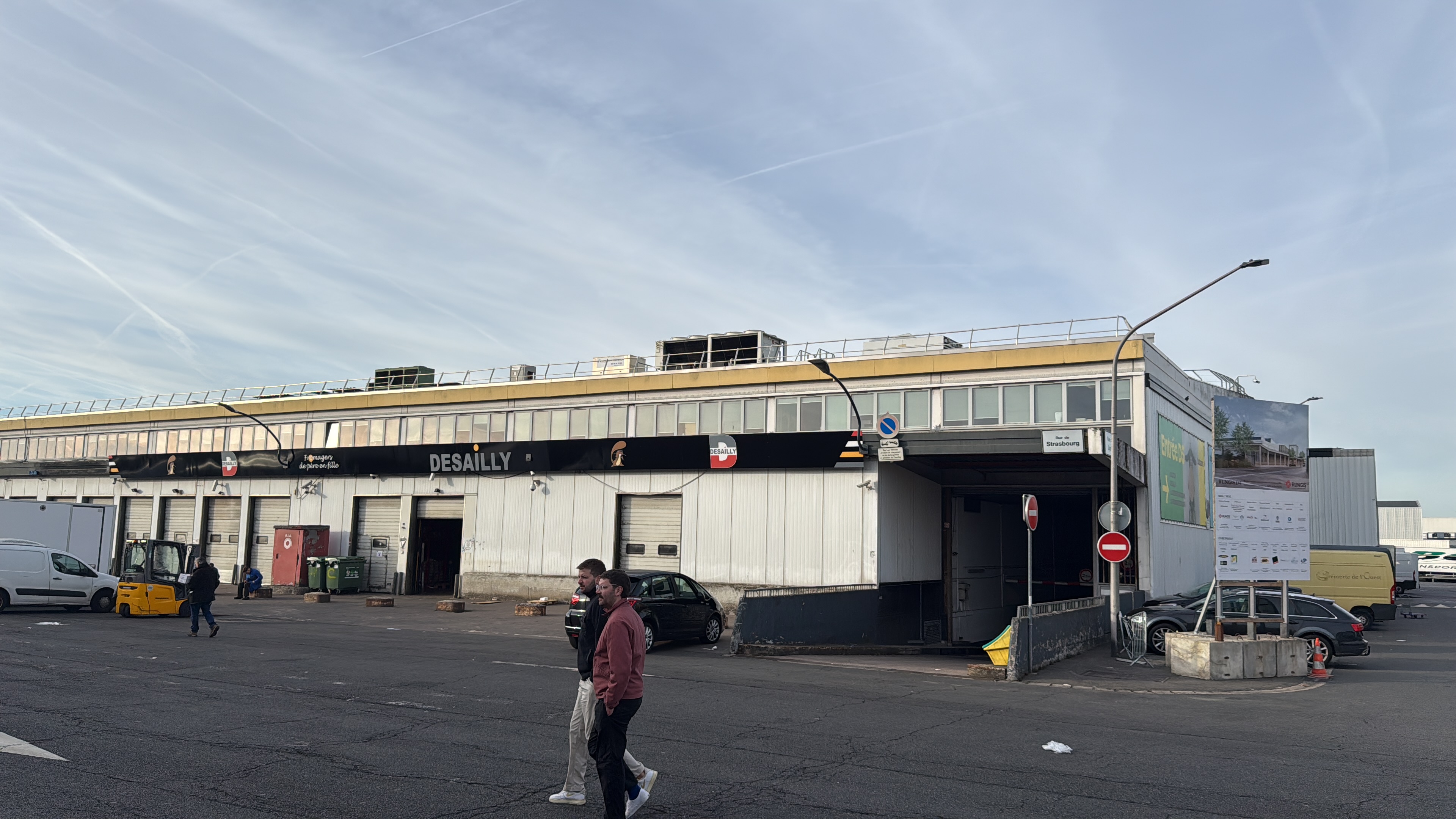
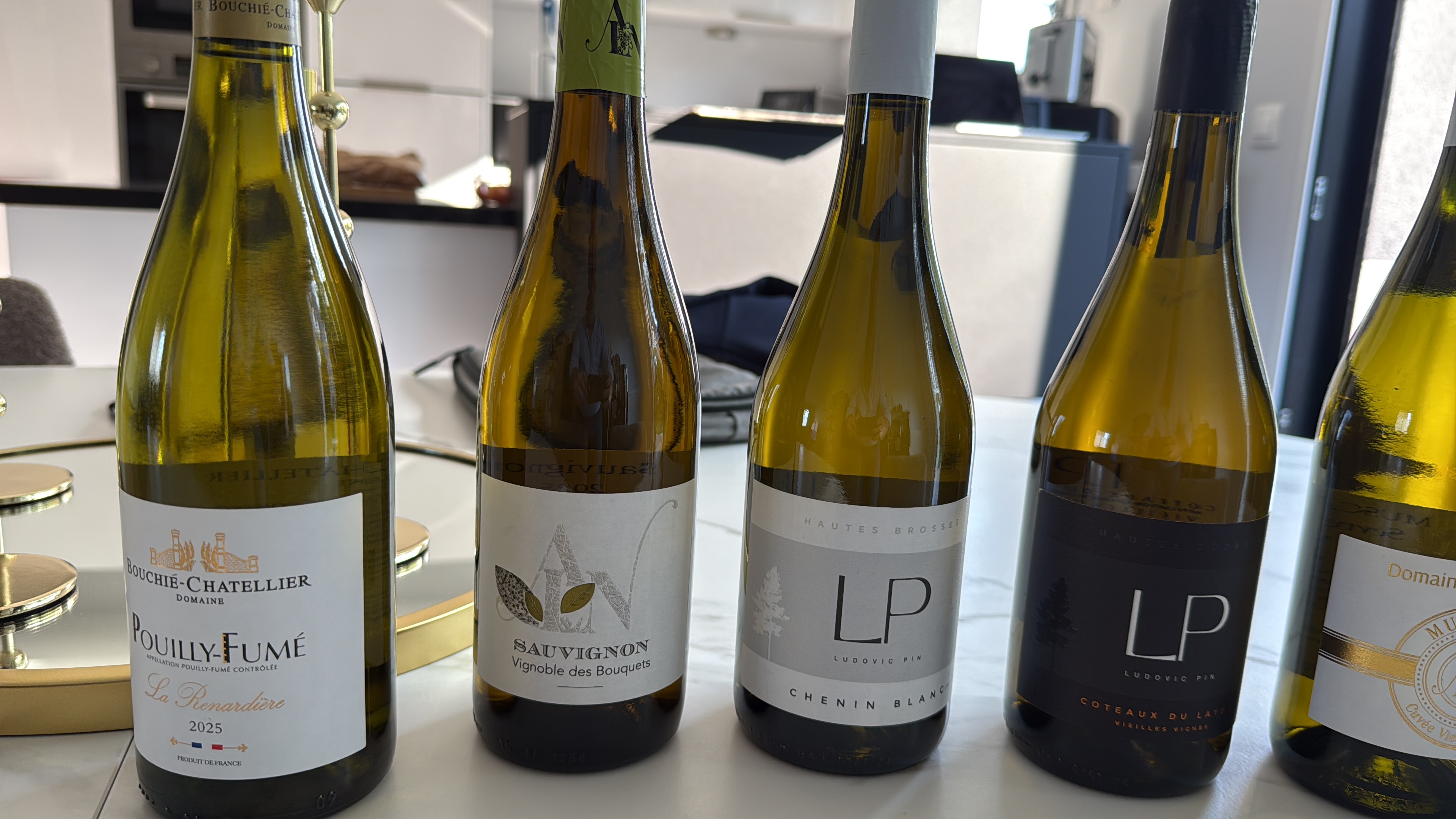

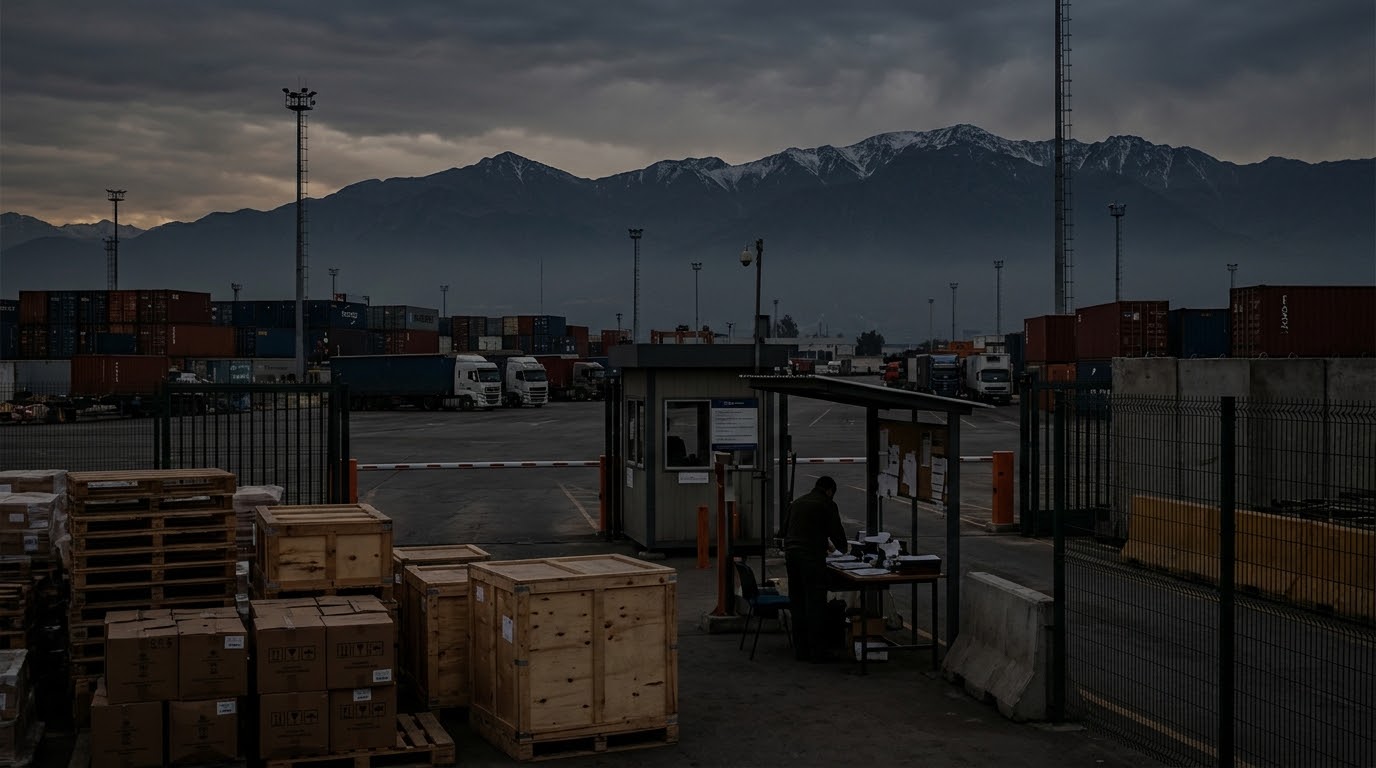
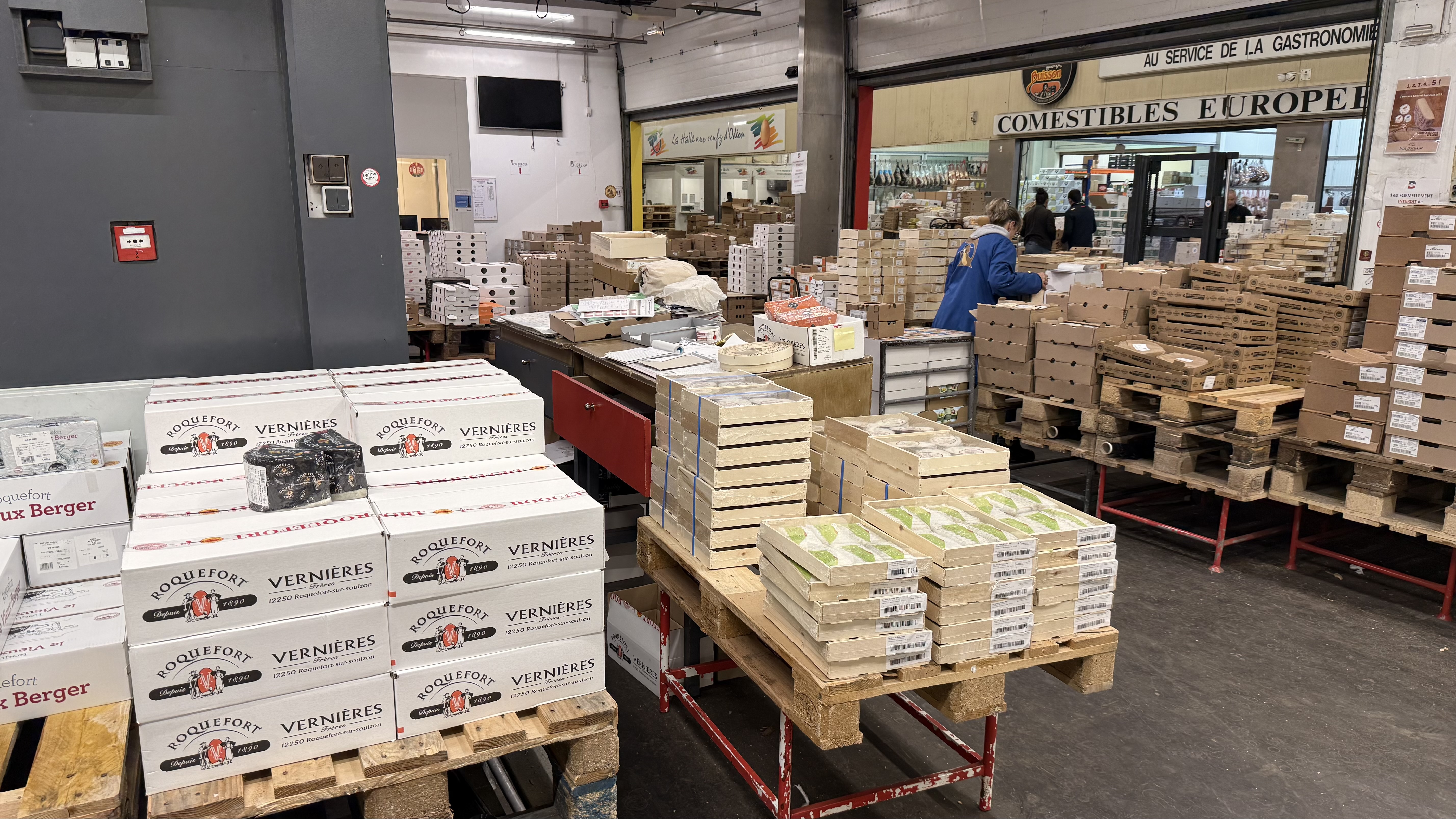
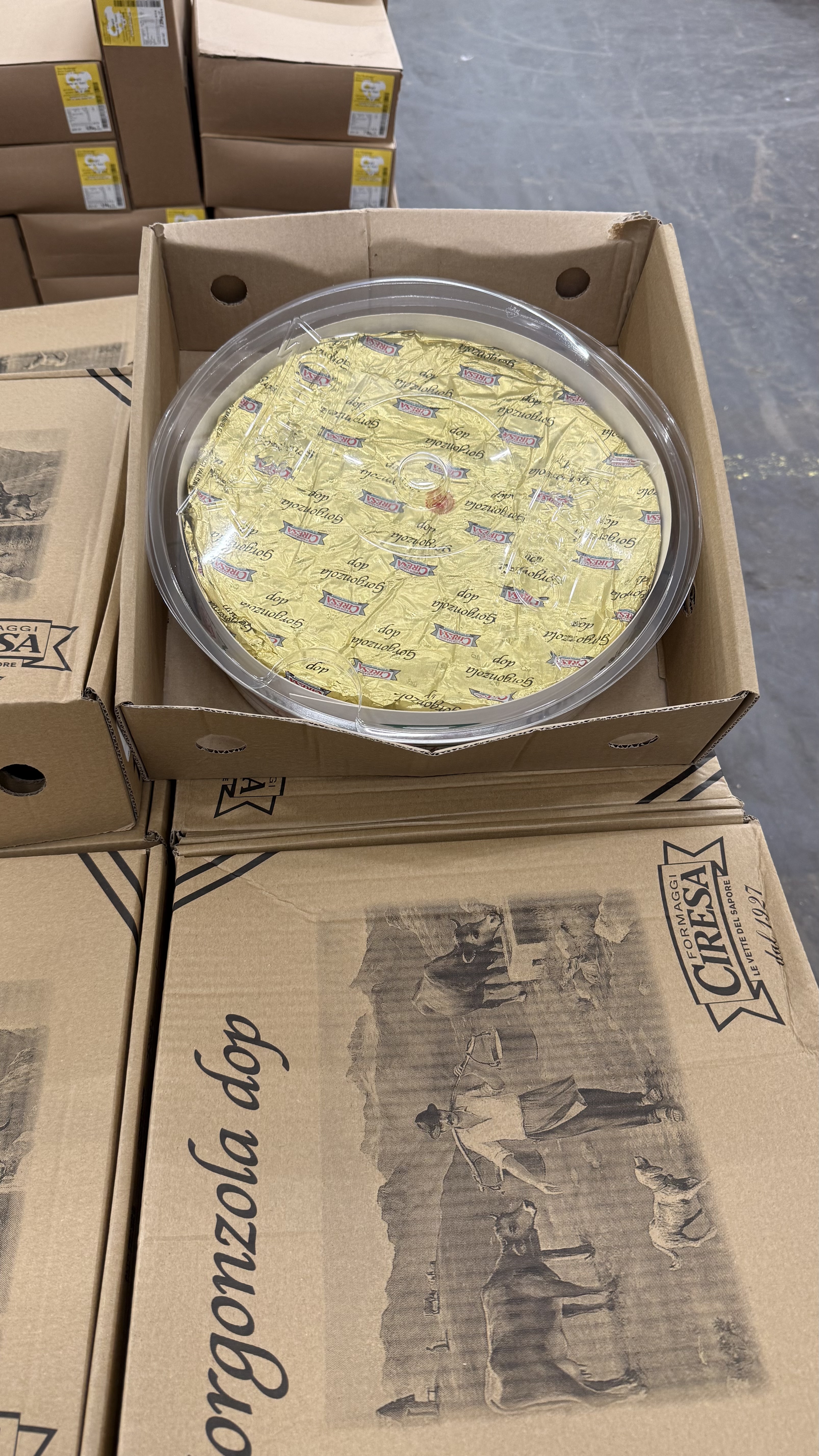
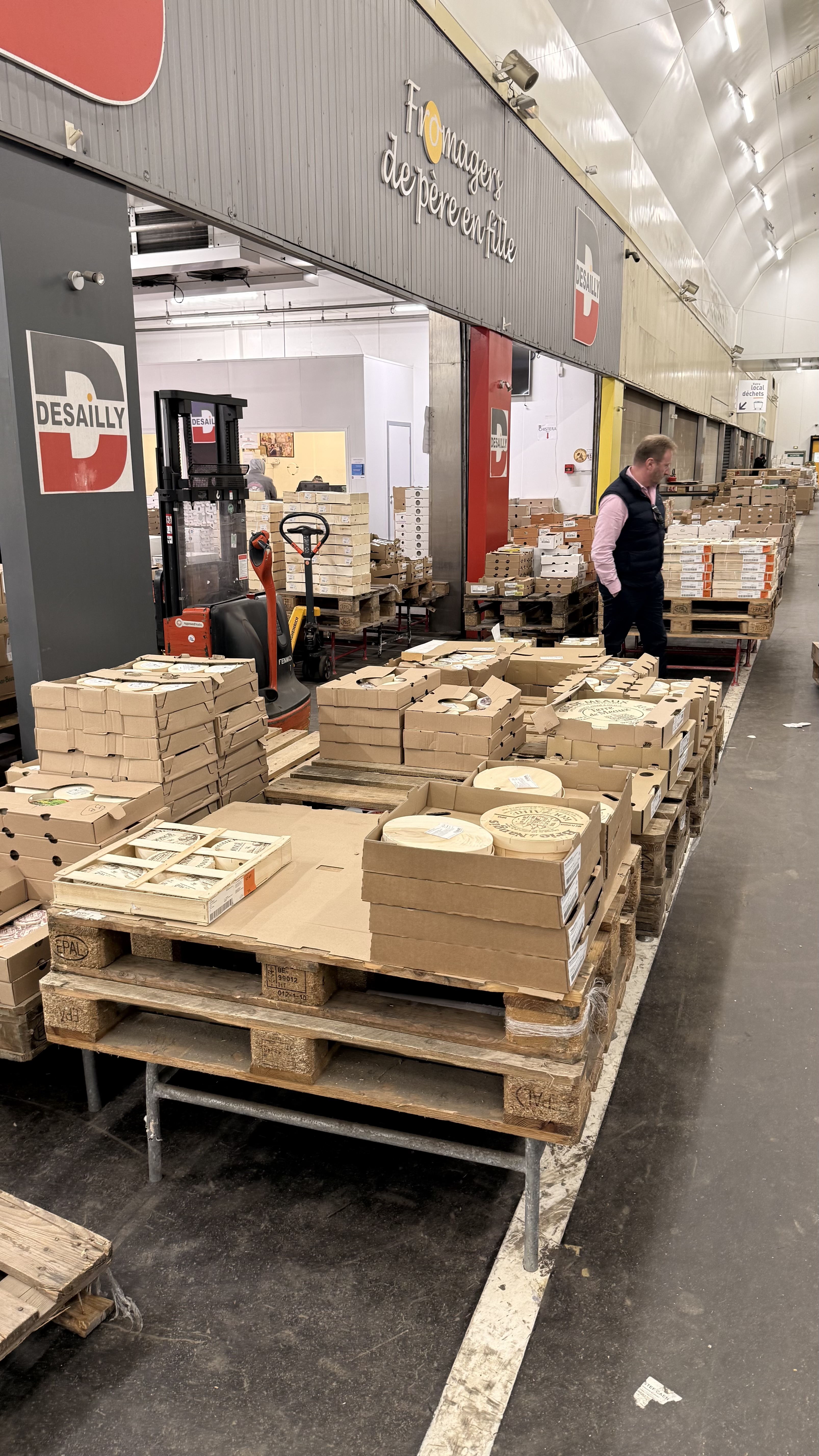
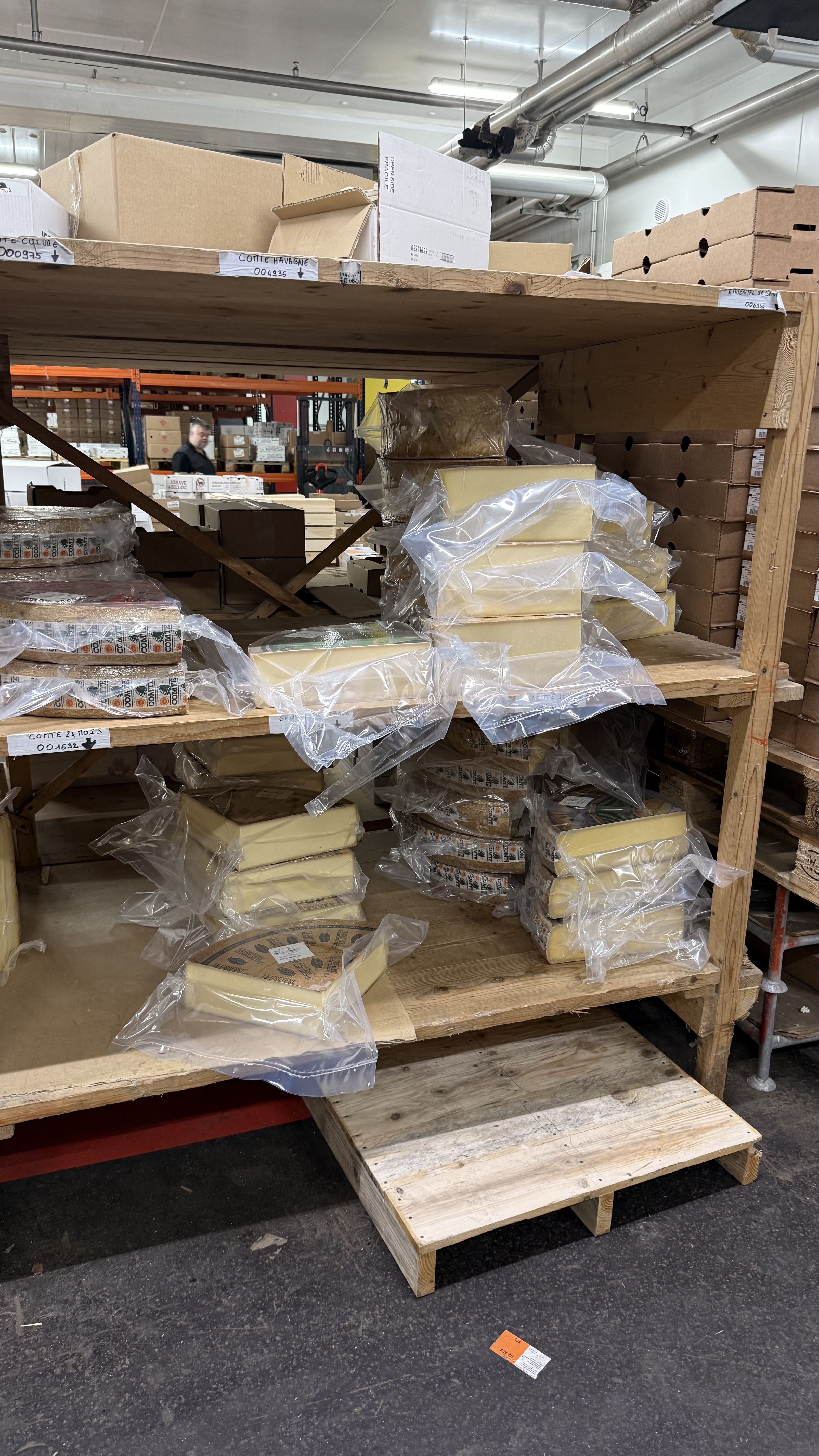
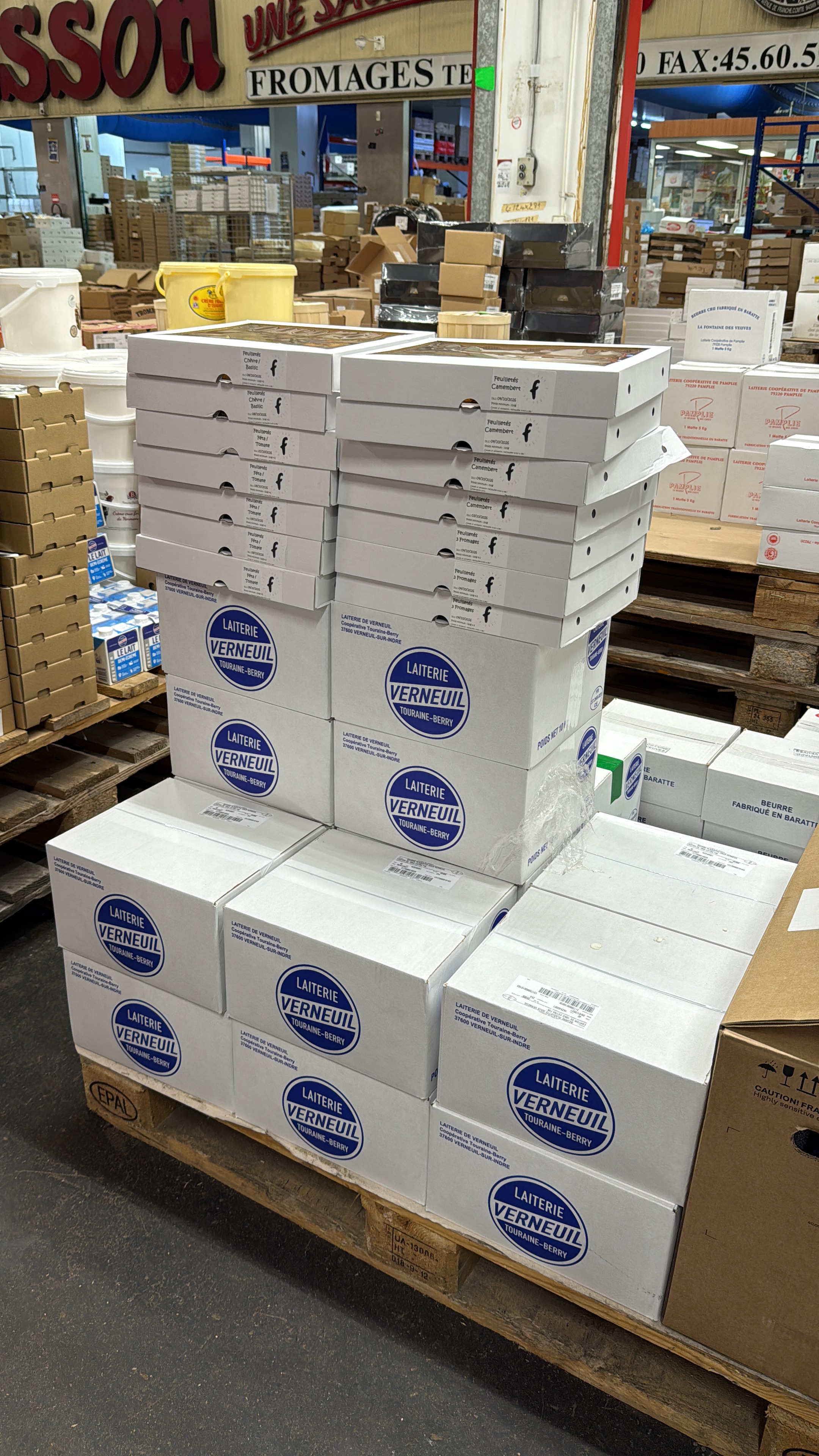
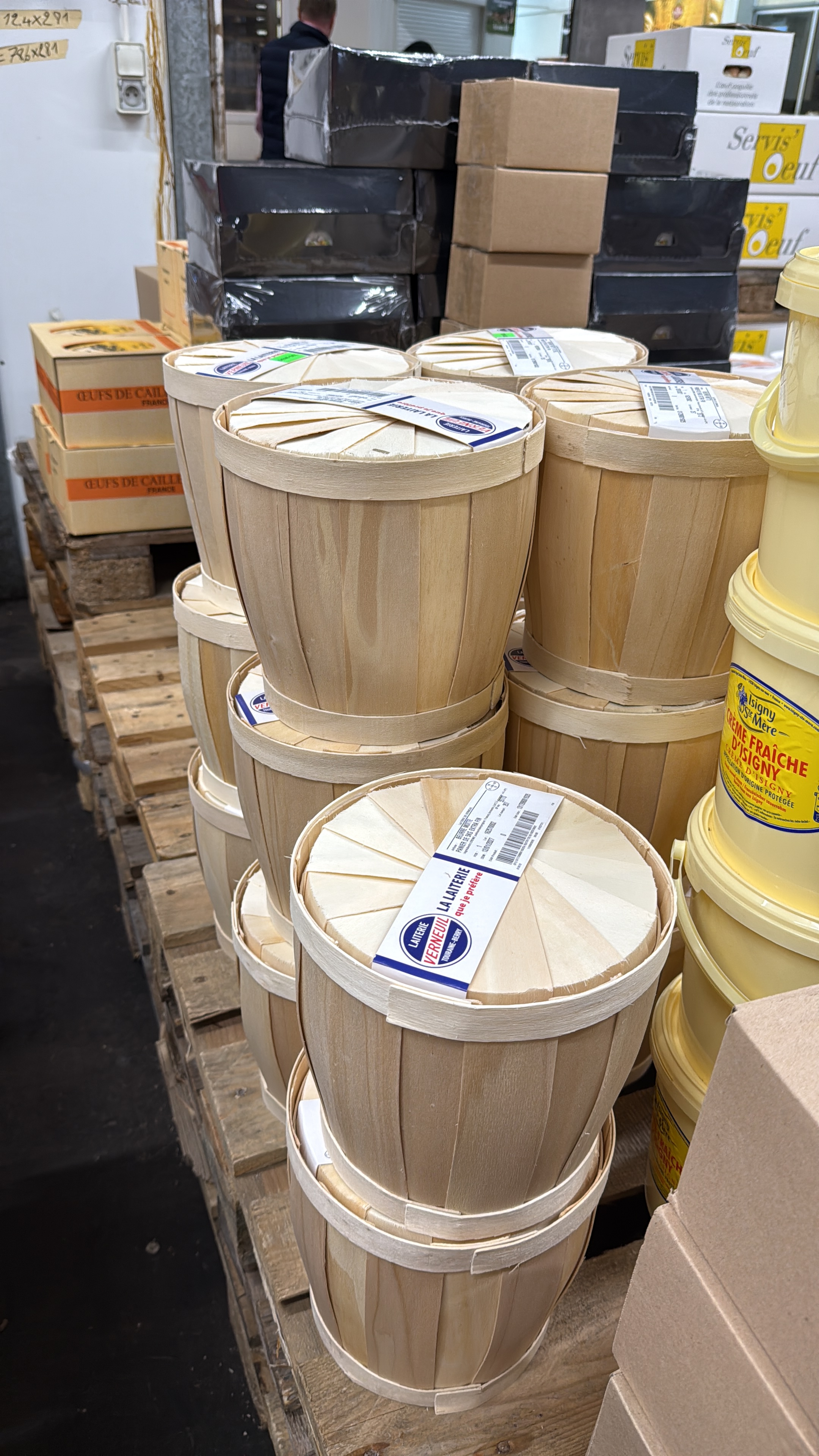
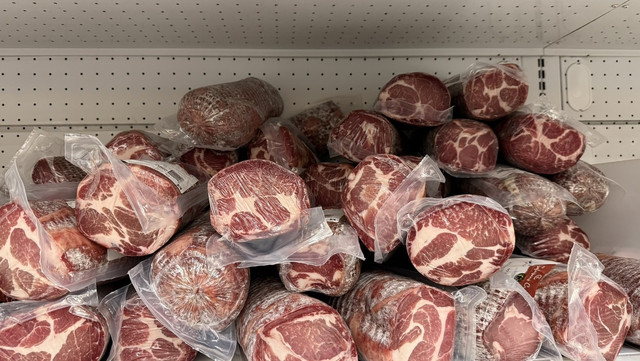
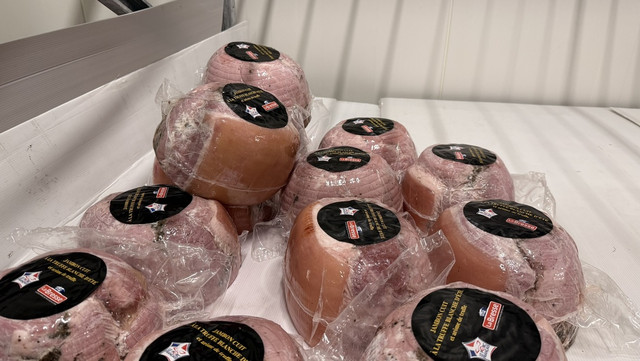
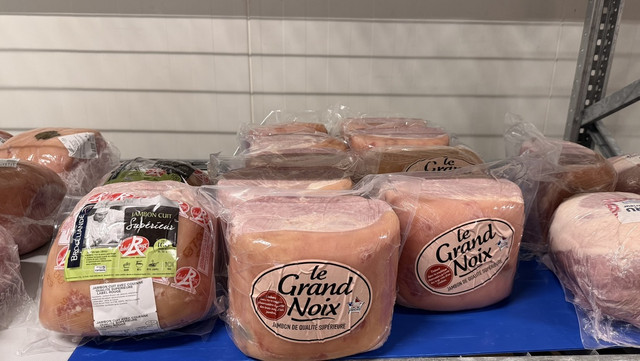
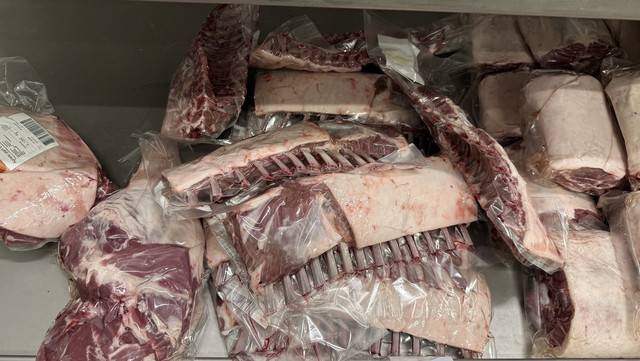

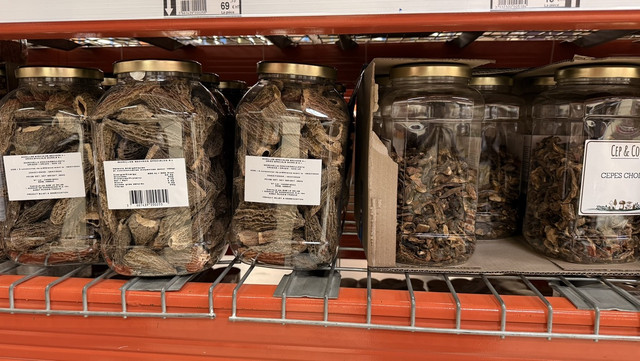
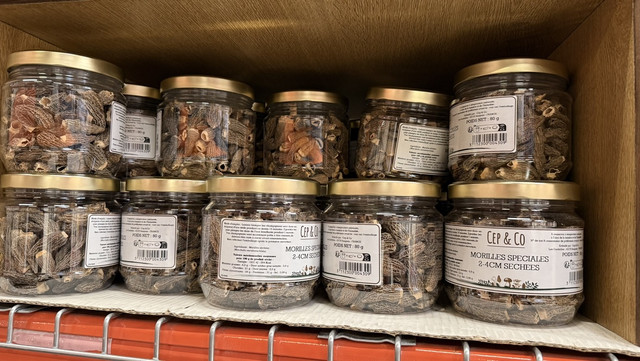
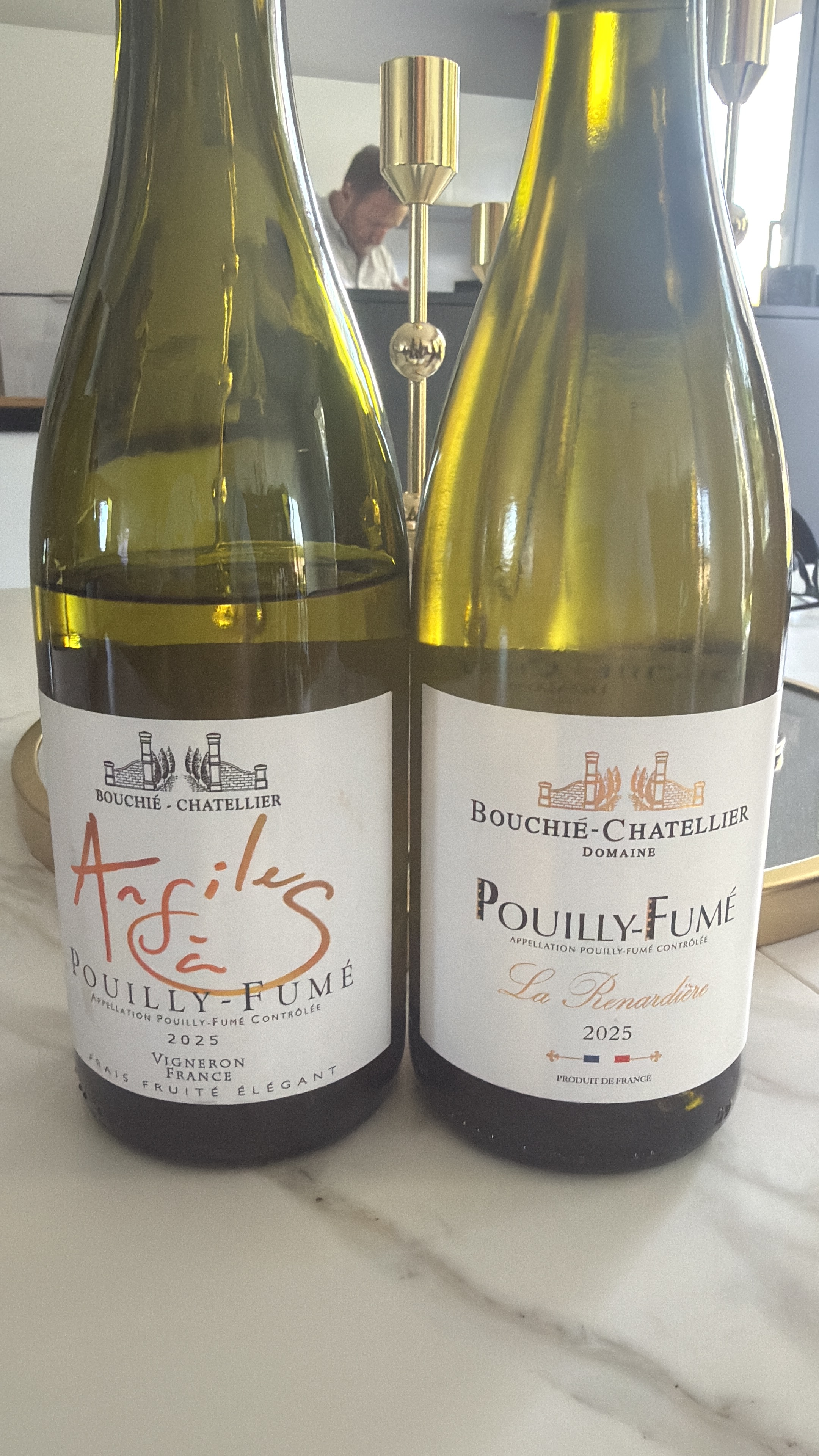































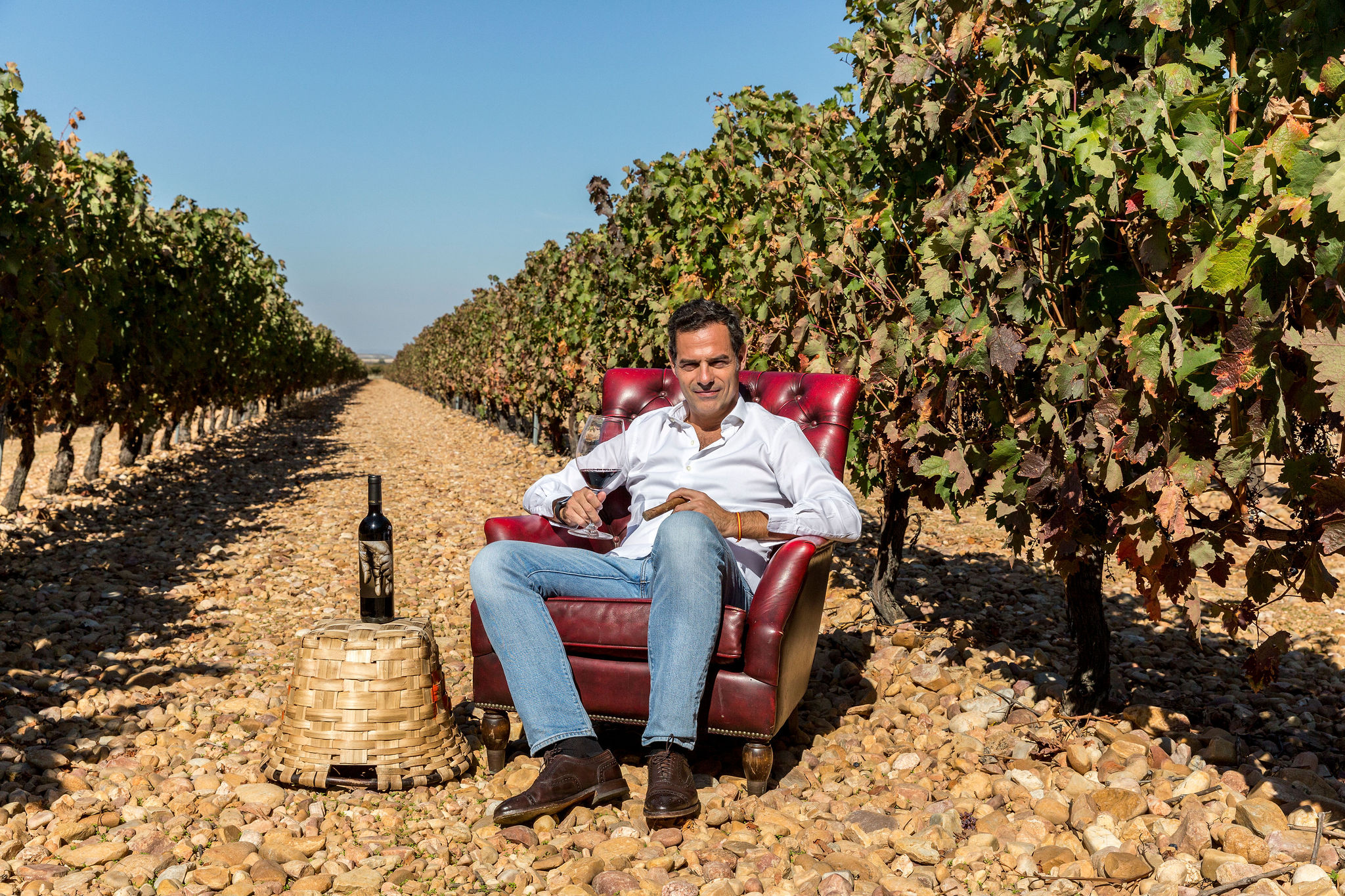






































 Terre de Mistral
 Nestuby
 La Courtade
 La Sanglière
 Calissanne
 Domaine La Tête Noire
 Les Esprits Sains / Terra 6840
 Domaine Pique-Basse
 Montirius
 Tour Saint-Michel
 Château Guiot
 Berthet-Rayne
 Clef de Saint Thomas
 Château Font-Barrièle
 Château Malbat
 Château Larquey
 Château Lapelleterie
 Domaine Buffeteau
 Château Beynat
 Château Carosse Martillac
 Château Franc Cardinal
 Baudry-Dutour
 Domaine Aiguillette
 Domaine Moncourt
 Domaine Hubert Reyser
 Domaine Moritz
 Lamiable
 Forget-Brimont
 Gabriel d'Ardhuy
 Bony-Gachot
 Chablis Colombier
 Chablis Monier
 Mont Luisant
 Numa Cornut
 Patrick Clergé
 Domaine Blanville
 Domaine Hommes Terre du Sud
 Domaine Cellier du Pic
 Bruno Andreu
 Julien et Fils · Château Bachellerie
 Julien et Fils · Château de Mus
 Domaine Rombeau
 Domaine Vellas
 Château Fontenelle
 Meridiem
 Château St Jacques d'Albas · Minervois
 Château Le Brézéguet
 Vila Dria

 Bodega Franco Española
 Bodega Riojanas
 Senda Galiana
 Sanz
 Celaya
 Vini Galicia
 Mas Llahon
 Padró

 Savian
 La Morette
 Aeteria
 Pizzolato
 Tenuta Amadio
 Scopone
 Albea
 Terre Carsiche
 La Fortezza
 Diego Pressenda
 Massimo Rivetti

 Grand Porto
 Lua Cheia
 Ayama
 Pasticeo
 Le Ségéral
 Dessailly SA
 Verneuil
 Briois
 Loyez Woessen
 Montaigu
 Alliance
 Calissanne
 Glosek
 Torres de Briz
 Guillén
 Tabladillo
 Aceites Álvarez
 Martirelo
 Emilia
 Mazzetti

 Mlekpol

 Prospersun