Les discussions sur le commerce international tournent souvent autour des prix, du fret, des droits de douane, des Incoterms, des taux de change et des marges. Mais une autre variable peut décider si un marché export est réellement viable — et elle reçoit rarement la même attention : quand le fournisseur est-il effectivement payé ?International trade discussions tend to focus on prices, freight, customs duties, Incoterms, exchange rates and margins. But there is another variable that can decide whether an export market is actually viable — and it rarely gets the same attention: when does the supplier actually get paid?International trade discussions tend to focus on prices, freight, customs duties, Incoterms, exchange rates and margins. But there is another variable that can decide whether an export market is actually viable — and it rarely gets the same attention: when does the supplier actually get paid?International trade discussions tend to focus on prices, freight, customs duties, Incoterms, exchange rates and margins. But there is another variable that can decide whether an export market is actually viable — and it rarely gets the same attention: when does the supplier actually get paid?
Un délai de 60 jours paraît gérable. Un délai de 90 jours peut encore fonctionner dans de bonnes conditions. Mais lorsque 90 jours deviennent discrètement 120, 150, voire davantage — alors que de nouvelles commandes arrivent chaque mois — la relation change de nature. Le fournisseur ne se contente plus de vendre des produits. Il finance l'acheteur. Et lorsque ce fournisseur est une PME face à un grand groupe de distribution, le déséquilibre peut devenir considérable.A 60-day term looks manageable. A 90-day term can still work under the right conditions. But when 90 days quietly become 120, 150 or more — while new orders keep arriving every month — the relationship changes completely. The supplier is no longer simply selling products. The supplier is financing the buyer. And when that supplier is an SME and the customer is a large retail group, the imbalance can become substantial.A 60-day term looks manageable. A 90-day term can still work under the right conditions. But when 90 days quietly become 120, 150 or more — while new orders keep arriving every month — the relationship changes completely. The supplier is no longer simply selling products. The supplier is financing the buyer. And when that supplier is an SME and the customer is a large retail group, the imbalance can become substantial.A 60-day term looks manageable. A 90-day term can still work under the right conditions. But when 90 days quietly become 120, 150 or more — while new orders keep arriving every month — the relationship changes completely. The supplier is no longer simply selling products. The supplier is financing the buyer. And when that supplier is an SME and the customer is a large retail group, the imbalance can become substantial.
À retenirKey takeawaysKey takeawaysKey takeaways
- Les délais contractuels en Amérique latine sont passés de 53 à 59 jours en 2025, et 77 % des entreprises ont subi des retards de paiement — contre 51 % un an plus tôt (Coface).Contractual payment terms in Latin America rose from 53 to 59 days in 2025, and 77% of companies reported payment delays — up from 51% a year earlier (Coface).Contractual payment terms in Latin America rose from 53 to 59 days in 2025, and 77% of companies reported payment delays — up from 51% a year earlier (Coface).Contractual payment terms in Latin America rose from 53 to 59 days in 2025, and 77% of companies reported payment delays — up from 51% a year earlier (Coface).
- Le danger n'est pas un retard isolé, mais l'exposition cumulée lorsqu'un acheteur commande chaque mois à long terme.The danger is not a one-off late payment; it is cumulative exposure when a buyer orders every month on long terms.The danger is not a one-off late payment; it is cumulative exposure when a buyer orders every month on long terms.The danger is not a one-off late payment; it is cumulative exposure when a buyer orders every month on long terms.
- Le chiffre d'affaires n'est pas la trésorerie. Un client en forte croissance à 150 jours peut consommer plus de cash qu'il ne génère de marge.Revenue is not cash flow. A fast-growing customer on 150-day terms can consume more cash than it generates in margin.Revenue is not cash flow. A fast-growing customer on 150-day terms can consume more cash than it generates in margin.Revenue is not cash flow. A fast-growing customer on 150-day terms can consume more cash than it generates in margin.
- Le délai de paiement est un prix. Chaque jour supplémentaire est du BFR que le fournisseur finance — et cela a un coût calculable.Payment terms are a price. Every extra day is working capital the supplier finances — and that has a calculable cost.Payment terms are a price. Every extra day is working capital the supplier finances — and that has a calculable cost.Payment terms are a price. Every extra day is working capital the supplier finances — and that has a calculable cost.
- Risque pays ≠ risque acheteur. Le Chili et le Pérou sont des marchés à faible risque ; un acheteur donné peut malgré tout devenir commercialement inacceptable.Country risk ≠ buyer risk. Chile and Peru are low-risk markets; an individual buyer inside them can still be commercially unacceptable.Country risk ≠ buyer risk. Chile and Peru are low-risk markets; an individual buyer inside them can still be commercially unacceptable.Country risk ≠ buyer risk. Chile and Peru are low-risk markets; an individual buyer inside them can still be commercially unacceptable.
Les chiffres confirment que les retards se généralisentThe numbers confirm that delays are becoming more commonThe numbers confirm that delays are becoming more commonThe numbers confirm that delays are becoming more common
L'Étude 2025 sur le comportement de paiement des entreprises en Amérique latine de Coface — portant sur 304 entreprises en Argentine, au Brésil, au Chili, en Colombie, en Équateur et au Pérou — offre un contexte utile. Le délai contractuel moyen est passé de 53 jours en 2024 à 59 jours en 2025. Plus frappant encore : 77 % des entreprises ont déclaré des retards de paiement, contre 51 % l'année précédente.Coface's 2025 Latin America Corporate Payment Survey — covering 304 companies across Argentina, Brazil, Chile, Colombia, Ecuador and Peru — gives useful context. The average contractual payment term rose from 53 days in 2024 to 59 days in 2025. More strikingly, 77% of companies reported payment delays, up from 51% the year before.Coface's 2025 Latin America Corporate Payment Survey — covering 304 companies across Argentina, Brazil, Chile, Colombia, Ecuador and Peru — gives useful context. The average contractual payment term rose from 53 days in 2024 to 59 days in 2025. More strikingly, 77% of companies reported payment delays, up from 51% the year before.Coface's 2025 Latin America Corporate Payment Survey — covering 304 companies across Argentina, Brazil, Chile, Colombia, Ecuador and Peru — gives useful context. The average contractual payment term rose from 53 days in 2024 to 59 days in 2025. More strikingly, 77% of companies reported payment delays, up from 51% the year before.
Le retard moyen lui-même s'est réduit, à 42 jours (contre 52 en 2024), et les retards très longs, au-delà de 150 jours, se sont raréfiés — 2 % des entreprises seulement, contre 6 %. Mais la proportion d'entreprises exposées à un retard, quel qu'il soit, a bondi de moitié : trois quarts d'entre elles (75 %) déclarent désormais des retards allant jusqu'à 60 jours, contre 69 % un an plus tôt. C'est là le vrai signal : le retard de paiement est passé de l'exception à la norme. Et la distinction entre délai contractuel et comportement réel est ce qui compte pour la trésorerie : un délai contractuel de 60 jours assorti d'un retard moyen de 42 jours peut repousser l'encaissement au-delà de 100 jours, et un contrat à 90 jours devient 120-130 jours en pratique.The average delay itself actually eased, to 42 days (from 52 in 2024), and very long delays above 150 days grew rarer — just 2% of firms, down from 6%. But the share of companies exposed to any delay jumped by half: three quarters (75%) now report delays of up to 60 days, against 69% a year earlier. That is the real signal — late payment has shifted from the exception to the norm. And the distinction between contractual terms and actual behaviour is what matters for treasury: a 60-day contractual term plus a 42-day average delay can push cash collection beyond 100 days, and a 90-day contract becomes 120–130 days in practice.The average delay itself actually eased, to 42 days (from 52 in 2024), and very long delays above 150 days grew rarer — just 2% of firms, down from 6%. But the share of companies exposed to any delay jumped by half: three quarters (75%) now report delays of up to 60 days, against 69% a year earlier. That is the real signal — late payment has shifted from the exception to the norm. And the distinction between contractual terms and actual behaviour is what matters for treasury: a 60-day contractual term plus a 42-day average delay can push cash collection beyond 100 days, and a 90-day contract becomes 120–130 days in practice.The average delay itself actually eased, to 42 days (from 52 in 2024), and very long delays above 150 days grew rarer — just 2% of firms, down from 6%. But the share of companies exposed to any delay jumped by half: three quarters (75%) now report delays of up to 60 days, against 69% a year earlier. That is the real signal — late payment has shifted from the exception to the norm. And the distinction between contractual terms and actual behaviour is what matters for treasury: a 60-day contractual term plus a 42-day average delay can push cash collection beyond 100 days, and a 90-day contract becomes 120–130 days in practice.
Le comportement varie fortement selon les pays. Les délais contractuels s'étendent de 50 jours en Colombie (le plus court) à 66 jours au Brésil (le plus long), avec le Chili à 63 jours et le Pérou à 51. Les retards moyens divergent tout autant : le Chili et l'Argentine affichent les plus courts (environ 27 et 26 jours), tandis que l'Équateur avoisine 70 jours et le Pérou se situe autour de 38 jours. Aucun chiffre unique ne s'applique à chaque acheteur — l'essentiel est que les retards relèvent désormais de la planification du BFR et du risque crédit, et non de la rubrique « accident ».Behaviour varies widely within the region. Contractual terms run from 50 days in Colombia (the shortest) to 66 days in Brazil (the longest), with Chile at 63 days and Peru at 51. Average delays diverge just as much: Chile and Argentina post the shortest (around 27 and 26 days), while Ecuador runs near 70 days and Peru sits around 38 days. No single figure applies to every buyer — the point is that delays now belong in working-capital and credit-risk planning, not in the accident column.Behaviour varies widely within the region. Contractual terms run from 50 days in Colombia (the shortest) to 66 days in Brazil (the longest), with Chile at 63 days and Peru at 51. Average delays diverge just as much: Chile and Argentina post the shortest (around 27 and 26 days), while Ecuador runs near 70 days and Peru sits around 38 days. No single figure applies to every buyer — the point is that delays now belong in working-capital and credit-risk planning, not in the accident column.Behaviour varies widely within the region. Contractual terms run from 50 days in Colombia (the shortest) to 66 days in Brazil (the longest), with Chile at 63 days and Peru at 51. Average delays diverge just as much: Chile and Argentina post the shortest (around 27 and 26 days), while Ecuador runs near 70 days and Peru sits around 38 days. No single figure applies to every buyer — the point is that delays now belong in working-capital and credit-risk planning, not in the accident column.
Le vrai problème : le client qui commande chaque moisThe real problem: the customer who orders every monthThe real problem: the customer who orders every monthThe real problem: the customer who orders every month
Prenons un cas simple. Une PME européenne livre à un distributeur environ 40 000 € de produits chaque mois, à 120 jours.Consider a simple case. A European SME ships a retailer roughly €40,000 of product every month, on 120-day terms.Consider a simple case. A European SME ships a retailer roughly €40,000 of product every month, on 120-day terms.Consider a simple case. A European SME ships a retailer roughly €40,000 of product every month, on 120-day terms.
- Après la première expédition : 40 000 € en cours.After the first shipment: €40,000 outstanding.After the first shipment: €40,000 outstanding.After the first shipment: €40,000 outstanding.
- Un mois plus tard, nouvelle commande : 80 000 €.One month later, a new order: €80,000.One month later, a new order: €80,000.One month later, a new order: €80,000.
- Après trois mois : 120 000 €.After three months: €120,000.After three months: €120,000.After three months: €120,000.
- Après quatre mois : environ 160 000 € encore en cours avant que le cycle ne libère du cash de façon significative.After four months: around €160,000 still outstanding before the cycle begins releasing meaningful cash.After four months: around €160,000 still outstanding before the cycle begins releasing meaningful cash.After four months: around €160,000 still outstanding before the cycle begins releasing meaningful cash.
Et cela suppose que les délais contractuels soient respectés. Ajoutez 30 à 45 jours de retard et l'exposition grimpe encore.And that assumes the contractual terms are respected. Add another 30–45 days of delay and the exposure grows further.And that assumes the contractual terms are respected. Add another 30–45 days of delay and the exposure grows further.And that assumes the contractual terms are respected. Add another 30–45 days of delay and the exposure grows further.
La question révélatrice n'est pas de savoir si le distributeur a vendu la marchandise. Dans les produits de grande consommation, une large part peut déjà avoir été vendue au consommateur final bien avant que le fournisseur d'origine ne soit payé. Économiquement, le distributeur a souvent déjà encaissé le cash des consommateurs pendant que le fournisseur continue de financer le stock. C'est, de fait, du financement fournisseur sans intérêts.The revealing question is not whether the retailer has sold the goods. In fast-moving consumer categories, much of that product may already have been sold to final customers long before the original supplier is paid. Economically, the retailer has often already collected cash from consumers while the supplier still finances the inventory. This is, in effect, interest-free supplier financing.The revealing question is not whether the retailer has sold the goods. In fast-moving consumer categories, much of that product may already have been sold to final customers long before the original supplier is paid. Economically, the retailer has often already collected cash from consumers while the supplier still finances the inventory. This is, in effect, interest-free supplier financing.The revealing question is not whether the retailer has sold the goods. In fast-moving consumer categories, much of that product may already have been sold to final customers long before the original supplier is paid. Economically, the retailer has often already collected cash from consumers while the supplier still finances the inventory. This is, in effect, interest-free supplier financing.
Une multinationale pesant plusieurs milliards de chiffre d'affaires peut l'absorber. Pour une PME réalisant 1, 5 ou 10 M€ de ventes annuelles, 100 000 à 200 000 € immobilisés chez un seul client, c'est autre chose. Le sujet n'est plus la rentabilité mais la liquidité — et des entreprises rentables font faillite par manque de liquidité.A multinational with billions in turnover can absorb this. For an SME with €1m, €5m or €10m in annual sales, €100,000–€200,000 immobilised with one customer is another matter. The issue stops being profitability and becomes liquidity — and profitable companies fail on liquidity.A multinational with billions in turnover can absorb this. For an SME with €1m, €5m or €10m in annual sales, €100,000–€200,000 immobilised with one customer is another matter. The issue stops being profitability and becomes liquidity — and profitable companies fail on liquidity.A multinational with billions in turnover can absorb this. For an SME with €1m, €5m or €10m in annual sales, €100,000–€200,000 immobilised with one customer is another matter. The issue stops being profitability and becomes liquidity — and profitable companies fail on liquidity.
Le chiffre d'affaires n'est pas la trésorerieRevenue is not cash flowRevenue is not cash flowRevenue is not cash flow
C'est l'une des distinctions les plus importantes du commerce international. Une entreprise peut afficher une forte croissance des ventes tout en dégradant sa position de trésorerie.This is one of the most important distinctions in international business. A company can post strong sales growth while its cash position weakens.This is one of the most important distinctions in international business. A company can post strong sales growth while its cash position weakens.This is one of the most important distinctions in international business. A company can post strong sales growth while its cash position weakens.
Prenons une marge brute de 20 % sur une expédition mensuelle de 40 000 €. Au compte de résultat, le compte paraît attractif. Mais le fournisseur doit toujours payer son producteur, son transitaire, ses salariés, les inspections, l'emballage et la logistique — et ces acteurs n'acceptent pas d'attendre 120 ou 150 jours sous prétexte que le distributeur a négocié des délais longs. Cet écart est financé par quelqu'un. Plus les ventes croissent vite, plus il grandit.Take a 20% gross margin on a €40,000 monthly shipment. On the P&L, the account looks attractive. But the supplier still has to pay its producer, freight forwarder, staff, inspections, packaging and logistics — and those parties do not agree to wait 120 or 150 days just because the retailer negotiated long terms. That gap is financed by someone. The faster sales grow, the larger it becomes.Take a 20% gross margin on a €40,000 monthly shipment. On the P&L, the account looks attractive. But the supplier still has to pay its producer, freight forwarder, staff, inspections, packaging and logistics — and those parties do not agree to wait 120 or 150 days just because the retailer negotiated long terms. That gap is financed by someone. The faster sales grow, the larger it becomes.Take a 20% gross margin on a €40,000 monthly shipment. On the P&L, the account looks attractive. But the supplier still has to pay its producer, freight forwarder, staff, inspections, packaging and logistics — and those parties do not agree to wait 120 or 150 days just because the retailer negotiated long terms. That gap is financed by someone. The faster sales grow, the larger it becomes.
Paradoxalement, un client en forte croissance peut être plus dangereux qu'un client stagnant : chaque nouvelle commande augmente à la fois le chiffre d'affaires et les créances. Sans liquidité suffisante, affacturage, assurance-crédit ou financement bancaire, la croissance se met à consommer du cash. C'est pourquoi le délai de paiement ne devrait jamais se négocier séparément de la marge. Une vente de 100 000 € à 60 jours et la même à 150 jours ne sont pas économiquement équivalentes — la seconde contient une composante de financement cachée, que le fournisseur finance trop souvent.Paradoxically, a fast-growing customer can be more dangerous than a stagnant one: every new purchase order lifts revenue and receivables at once. Without sufficient liquidity, factoring, credit insurance or bank financing, growth begins consuming cash. This is why payment terms should never be negotiated separately from margin. A €100,000 sale at 60 days and the same sale at 150 days are not economically equivalent — the second contains a hidden financing component, and too often the supplier funds it.Paradoxically, a fast-growing customer can be more dangerous than a stagnant one: every new purchase order lifts revenue and receivables at once. Without sufficient liquidity, factoring, credit insurance or bank financing, growth begins consuming cash. This is why payment terms should never be negotiated separately from margin. A €100,000 sale at 60 days and the same sale at 150 days are not economically equivalent — the second contains a hidden financing component, and too often the supplier funds it.Paradoxically, a fast-growing customer can be more dangerous than a stagnant one: every new purchase order lifts revenue and receivables at once. Without sufficient liquidity, factoring, credit insurance or bank financing, growth begins consuming cash. This is why payment terms should never be negotiated separately from margin. A €100,000 sale at 60 days and the same sale at 150 days are not economically equivalent — the second contains a hidden financing component, and too often the supplier funds it.
Le délai de paiement est un prix — et voici comment le chiffrerPayment terms are a price — and here is how to price themPayment terms are a price — and here is how to price themPayment terms are a price — and here is how to price them
Les entreprises négocient couramment le prix au dernier point de pourcentage tout en traitant le délai de paiement comme un détail administratif. C'est une erreur : le crédit consomme du BFR, et le BFR a un coût. Si un acheteur veut plus de temps pour payer, il demande au fournisseur d'étendre son crédit — le délai a donc un prix que l'on peut réellement calculer :Companies routinely negotiate price to the last percentage point while treating payment terms as an administrative detail. That is a mistake, because credit consumes working capital, and working capital has a cost. If a buyer wants more time to pay, it is asking the supplier to extend more credit — so terms have a price you can actually calculate:Companies routinely negotiate price to the last percentage point while treating payment terms as an administrative detail. That is a mistake, because credit consumes working capital, and working capital has a cost. If a buyer wants more time to pay, it is asking the supplier to extend more credit — so terms have a price you can actually calculate:Companies routinely negotiate price to the last percentage point while treating payment terms as an administrative detail. That is a mistake, because credit consumes working capital, and working capital has a cost. If a buyer wants more time to pay, it is asking the supplier to extend more credit — so terms have a price you can actually calculate:
Coût des délais allongés = Montant × (Jours supplémentaires ÷ 365) × Coût annuel du capitalCost of extended terms = Amount × (Extra days ÷ 365) × Annual cost of capitalCost of extended terms = Amount × (Extra days ÷ 365) × Annual cost of capitalCost of extended terms = Amount × (Extra days ÷ 365) × Annual cost of capital
Un exemple chiffré. Reprenons ces 160 000 € d'exposition cumulée, en supposant 90 jours au-delà d'un délai « normal » de 60 jours, à un coût du capital de 8 % :A worked example. Take that €160,000 of accumulated exposure, and assume the extra 90 days beyond a "normal" 60-day term at an 8% cost of capital:A worked example. Take that €160,000 of accumulated exposure, and assume the extra 90 days beyond a "normal" 60-day term at an 8% cost of capital:A worked example. Take that €160,000 of accumulated exposure, and assume the extra 90 days beyond a "normal" 60-day term at an 8% cost of capital:
160 000 € × (90 ÷ 365) × 8 % ≈ 3 150 € de coût de financement supporté par le fournisseur.€160,000 × (90 ÷ 365) × 8% ≈ €3,150 of financing cost carried by the supplier.€160,000 × (90 ÷ 365) × 8% ≈ €3,150 of financing cost carried by the supplier.€160,000 × (90 ÷ 365) × 8% ≈ €3,150 of financing cost carried by the supplier.
Par commande, une seule expédition de 40 000 € payée à 150 jours au lieu de 60 (90 jours de plus) coûte environ 40 000 € × (90 ÷ 365) × 8 % ≈ 790 € — sur douze commandes par an, près de 9 500 € de financement discrètement absorbés dans un compte qui semblait rentable sur le papier. Si le financement PME coûte plus de 8 %, le montant grimpe d'autant. Ce chiffre a sa place dans la discussion sur la marge, pas en dehors.On a per-order basis, a single €40,000 shipment paid at 150 days instead of 60 (90 extra days) costs roughly €40,000 × (90 ÷ 365) × 8% ≈ €790 — on twelve orders a year, close to €9,500 of financing quietly absorbed into an account that looked profitable on paper. If SME financing costs more than 8%, the number rises accordingly. That figure belongs in the margin discussion, not outside it.On a per-order basis, a single €40,000 shipment paid at 150 days instead of 60 (90 extra days) costs roughly €40,000 × (90 ÷ 365) × 8% ≈ €790 — on twelve orders a year, close to €9,500 of financing quietly absorbed into an account that looked profitable on paper. If SME financing costs more than 8%, the number rises accordingly. That figure belongs in the margin discussion, not outside it.On a per-order basis, a single €40,000 shipment paid at 150 days instead of 60 (90 extra days) costs roughly €40,000 × (90 ÷ 365) × 8% ≈ €790 — on twelve orders a year, close to €9,500 of financing quietly absorbed into an account that looked profitable on paper. If SME financing costs more than 8%, the number rises accordingly. That figure belongs in the margin discussion, not outside it.
Le contexte mondial renforce le propos : la Banque asiatique de développement estime que le déficit mondial de financement du commerce est resté autour de 2 500 milliards USD en 2025 — soit environ 10 % du commerce mondial de marchandises — et souligne que les PME rencontrent les plus grandes difficultés d'accès à un financement abordable. Les grands acheteurs empruntent en général moins cher que les petits fournisseurs. Des délais très longs inversent cette logique : au lieu que la grande entreprise finance son propre cycle aux taux institutionnels, c'est la PME qui finance une partie du cycle d'exploitation du distributeur. Difficile à justifier durablement.The global backdrop makes the point sharper: the Asian Development Bank estimates the world trade-finance gap remained around USD 2.5 trillion in 2025 — roughly 10% of global merchandise trade — and specifically notes that SMEs face the greatest difficulty accessing affordable trade finance. Large buyers generally borrow more cheaply than small suppliers. Very long payment terms invert that logic: instead of the large corporation funding its own cycle at institutional rates, the SME funds part of the retailer's operating cycle. That is hard to justify indefinitely.The global backdrop makes the point sharper: the Asian Development Bank estimates the world trade-finance gap remained around USD 2.5 trillion in 2025 — roughly 10% of global merchandise trade — and specifically notes that SMEs face the greatest difficulty accessing affordable trade finance. Large buyers generally borrow more cheaply than small suppliers. Very long payment terms invert that logic: instead of the large corporation funding its own cycle at institutional rates, the SME funds part of the retailer's operating cycle. That is hard to justify indefinitely.The global backdrop makes the point sharper: the Asian Development Bank estimates the world trade-finance gap remained around USD 2.5 trillion in 2025 — roughly 10% of global merchandise trade — and specifically notes that SMEs face the greatest difficulty accessing affordable trade finance. Large buyers generally borrow more cheaply than small suppliers. Very long payment terms invert that logic: instead of the large corporation funding its own cycle at institutional rates, the SME funds part of the retailer's operating cycle. That is hard to justify indefinitely.
Le déséquilibre de pouvoir entre grands acheteurs et petits fournisseursThe power imbalance between large buyers and small suppliersThe power imbalance between large buyers and small suppliersThe power imbalance between large buyers and small suppliers
Le délai n'est que la moitié du problème ; le pouvoir de négociation en est l'autre moitié. La relation entre un grand distributeur et une PME exportatrice est rarement équilibrée. Perdre un gros client peut coûter au fournisseur une part significative de son chiffre d'affaires annuel ; perdre un petit fournisseur est quasi indolore pour le distributeur. Cette asymétrie crée un levier sur les prix, les frais de référencement, les contributions promotionnelles, les exigences logistiques, les pénalités — et les délais de paiement.Terms are only half the problem; bargaining power is the other half. The relationship between a major retailer and an SME exporter is rarely balanced. Losing a large customer can cost the supplier a meaningful slice of annual turnover; losing one small supplier is almost immaterial to the retailer. That asymmetry creates leverage over pricing, listing fees, promotional contributions, logistics requirements, penalties — and payment terms.Terms are only half the problem; bargaining power is the other half. The relationship between a major retailer and an SME exporter is rarely balanced. Losing a large customer can cost the supplier a meaningful slice of annual turnover; losing one small supplier is almost immaterial to the retailer. That asymmetry creates leverage over pricing, listing fees, promotional contributions, logistics requirements, penalties — and payment terms.Terms are only half the problem; bargaining power is the other half. The relationship between a major retailer and an SME exporter is rarely balanced. Losing a large customer can cost the supplier a meaningful slice of annual turnover; losing one small supplier is almost immaterial to the retailer. That asymmetry creates leverage over pricing, listing fees, promotional contributions, logistics requirements, penalties — and payment terms.
Avant la livraison, le fournisseur peut encore négocier. Après la livraison, l'équilibre bascule : l'acheteur a la marchandise et garde l'argent. Le risque n'est que rarement un refus pur et simple de payer. Il prend plus souvent la forme de déductions, d'avoirs, de frais logistiques contestés, d'allocations promotionnelles ou d'une demande de note de crédit avant libération du solde. Même lorsqu'un fournisseur estime qu'un coût sort de sa responsabilité contractuelle — y compris celle définie par un Incoterm — la réalité commerciale peut différer de la théorie juridique. Contester la déduction pendant des mois, engager une procédure, risquer la relation ? Ou émettre l'avoir et récupérer le reste du cash ? Pour une PME, la trésorerie l'emporte généralement. C'est là que le pouvoir de négociation devient un risque financier.Before delivery, the supplier can still negotiate. After delivery, the balance shifts: the buyer has the goods and still has the money. The risk is rarely an outright refusal to pay. More often it takes the form of deductions, debit notes, disputed logistics charges, promotional allowances or requests for a credit note before the balance is released. Even when a supplier believes a charge falls outside its contractual responsibility — including responsibilities defined by an Incoterm — the commercial reality can differ from the legal theory. Fight the deduction for months, escalate legally, and risk the relationship? Or issue the credit note and recover the rest of the cash? For SMEs, cash flow usually wins. That is where bargaining power becomes a financial risk.Before delivery, the supplier can still negotiate. After delivery, the balance shifts: the buyer has the goods and still has the money. The risk is rarely an outright refusal to pay. More often it takes the form of deductions, debit notes, disputed logistics charges, promotional allowances or requests for a credit note before the balance is released. Even when a supplier believes a charge falls outside its contractual responsibility — including responsibilities defined by an Incoterm — the commercial reality can differ from the legal theory. Fight the deduction for months, escalate legally, and risk the relationship? Or issue the credit note and recover the rest of the cash? For SMEs, cash flow usually wins. That is where bargaining power becomes a financial risk.Before delivery, the supplier can still negotiate. After delivery, the balance shifts: the buyer has the goods and still has the money. The risk is rarely an outright refusal to pay. More often it takes the form of deductions, debit notes, disputed logistics charges, promotional allowances or requests for a credit note before the balance is released. Even when a supplier believes a charge falls outside its contractual responsibility — including responsibilities defined by an Incoterm — the commercial reality can differ from the legal theory. Fight the deduction for months, escalate legally, and risk the relationship? Or issue the credit note and recover the rest of the cash? For SMEs, cash flow usually wins. That is where bargaining power becomes a financial risk.
Un cas réel : quand recouvrer une facture devient une négociationA real-world example: when collecting an invoice becomes a negotiationA real-world example: when collecting an invoice becomes a negotiationA real-world example: when collecting an invoice becomes a negotiation
J'ai vécu cette situation avec un grand distributeur en Amérique latine. L'entreprise n'a pas disparu ni refusé de payer. C'était plus subtil : certains coûts ont été contestés, et on nous a de fait demandé d'accepter un avoir avant que le solde ne soit libéré. Selon notre lecture du contrat et de l'Incoterm applicable, ces coûts n'auraient pas dû être les nôtres. Commercialement, les choix étaient étroits — une créance substantielle était en jeu, et accepter une partie de la déduction est devenu le moyen pratique de récupérer le reste.I have lived this with a major retailer in Latin America. The company did not disappear or refuse to pay. It was subtler: certain costs were disputed, and we were effectively asked to accept a credit note before the remaining balance would be released. On our reading of the contract and the applicable Incoterm, those costs should not have been ours. Commercially, the choices were narrow — there was a substantial receivable outstanding, and accepting part of the deduction became the practical mechanism for recovering the rest.I have lived this with a major retailer in Latin America. The company did not disappear or refuse to pay. It was subtler: certain costs were disputed, and we were effectively asked to accept a credit note before the remaining balance would be released. On our reading of the contract and the applicable Incoterm, those costs should not have been ours. Commercially, the choices were narrow — there was a substantial receivable outstanding, and accepting part of the deduction became the practical mechanism for recovering the rest.I have lived this with a major retailer in Latin America. The company did not disappear or refuse to pay. It was subtler: certain costs were disputed, and we were effectively asked to accept a credit note before the remaining balance would be released. On our reading of the contract and the applicable Incoterm, those costs should not have been ours. Commercially, the choices were narrow — there was a substantial receivable outstanding, and accepting part of the deduction became the practical mechanism for recovering the rest.
L'affaire s'est finalement transformée en sinistre d'assurance-crédit. Le plus révélateur : même l'assureur-crédit a peiné à naviguer dans l'organisation du client et à joindre les bons décideurs. La leçon : le pays n'était pas le problème. C'est l'acheteur qui était devenu inacceptable au regard de notre propre gestion du risque crédit.It eventually became a credit-insurance claim. What was most revealing is that even the credit insurer struggled to navigate the client's organisation and reach the right decision-makers. The lesson: the country was not the problem. The individual buyer had simply become unacceptable from our own credit-control perspective.It eventually became a credit-insurance claim. What was most revealing is that even the credit insurer struggled to navigate the client's organisation and reach the right decision-makers. The lesson: the country was not the problem. The individual buyer had simply become unacceptable from our own credit-control perspective.It eventually became a credit-insurance claim. What was most revealing is that even the credit insurer struggled to navigate the client's organisation and reach the right decision-makers. The lesson: the country was not the problem. The individual buyer had simply become unacceptable from our own credit-control perspective.
Le risque pays n'est pas le risque acheteurCountry risk is not buyer riskCountry risk is not buyer riskCountry risk is not buyer risk
Les exportateurs examinent les notations pays avant d'entrer sur un marché — et ils ont raison. Mais risque pays et risque acheteur sont deux choses distinctes. Dans l'édition 2026 de son Country Risk Atlas, Allianz Trade continue de classer le Chili et le Pérou en faible risque à court terme (risque entreprise), et les deux conservent une note souveraine en catégorie investissement. Plus largement, l'Atlas 2026 a enregistré une amélioration nette du risque pays mondial en 2025 — 36 relèvements de notation contre 14 abaissements. Dire que « l'Amérique latine est à haut risque » serait donc trompeur.Exporters look at country ratings before entering a market — and they should. But country risk and buyer risk are different things. As of the 2026 Country Risk Atlas, Allianz Trade continues to rate both Chile and Peru as low short-term (business) risk, and both retain investment-grade sovereign credit ratings. More broadly, the 2026 Atlas recorded a net improvement in global country risk during 2025 — 36 rating upgrades against 14 downgrades. So "Latin America is high-risk" would be misleading.Exporters look at country ratings before entering a market — and they should. But country risk and buyer risk are different things. As of the 2026 Country Risk Atlas, Allianz Trade continues to rate both Chile and Peru as low short-term (business) risk, and both retain investment-grade sovereign credit ratings. More broadly, the 2026 Atlas recorded a net improvement in global country risk during 2025 — 36 rating upgrades against 14 downgrades. So "Latin America is high-risk" would be misleading.Exporters look at country ratings before entering a market — and they should. But country risk and buyer risk are different things. As of the 2026 Country Risk Atlas, Allianz Trade continues to rate both Chile and Peru as low short-term (business) risk, and both retain investment-grade sovereign credit ratings. More broadly, the 2026 Atlas recorded a net improvement in global country risk during 2025 — 36 rating upgrades against 14 downgrades. So "Latin America is high-risk" would be misleading.
Une meilleure conclusion : un pays peut présenter un profil macroéconomique acceptable pendant qu'un acheteur donné reste commercialement inacceptable. Le risque acheteur va bien au-delà de l'insolvabilité — il englobe l'historique de paiement, la fréquence des litiges, la réactivité de la direction financière, la transparence, l'accès aux décideurs et la volonté de respecter les délais convenus. Pour un exportateur, ces indicateurs opérationnels peuvent compter davantage que la note souveraine.A better conclusion: a country can carry an acceptable macro profile while a specific buyer remains commercially unacceptable. Buyer risk is far more than insolvency — it includes payment history, dispute frequency, responsiveness of the finance department, transparency, access to decision-makers and willingness to respect agreed terms. For an exporter, those operational indicators can matter more than the sovereign rating.A better conclusion: a country can carry an acceptable macro profile while a specific buyer remains commercially unacceptable. Buyer risk is far more than insolvency — it includes payment history, dispute frequency, responsiveness of the finance department, transparency, access to decision-makers and willingness to respect agreed terms. For an exporter, those operational indicators can matter more than the sovereign rating.A better conclusion: a country can carry an acceptable macro profile while a specific buyer remains commercially unacceptable. Buyer risk is far more than insolvency — it includes payment history, dispute frequency, responsiveness of the finance department, transparency, access to decision-makers and willingness to respect agreed terms. For an exporter, those operational indicators can matter more than the sovereign rating.
Le recouvrement ne fonctionne que si quelqu'un répondCredit control only works when someone answersCredit control only works when someone answersCredit control only works when someone answers
Il existe un problème qui apparaît rarement dans les rapports économiques : le recouvrement dépend de la communication. En théorie, le processus est simple — contacter la comptabilité fournisseurs, identifier la facture, documenter tout litige, escalader si besoin, convenir d'une date, être payé. Dans les organisations fragmentées, il se grippe. Les e-mails restent sans réponse. Les achats disent que c'est du ressort de la finance ; la finance vous renvoie ailleurs ; les centres de services partagés n'ont aucune autorité ; le contact commercial compatit mais ne peut pas débloquer le paiement. Vous finissez par recevoir une version de « la facture est en cours de traitement » — sans date, sans décideur responsable, sans voie d'escalade.There is a problem that rarely appears in economic reports: credit control depends on communication. In theory the process is simple — contact accounts payable, identify the invoice, document any dispute, escalate if needed, agree a date, get paid. In fragmented organisations it breaks down. Emails go unanswered. Purchasing says it is finance's responsibility; finance redirects you; shared-service centres have no authority; the commercial contact sympathises but cannot release payment. Eventually you get some version of "the invoice is being processed" — no date, no accountable decision-maker, no escalation route.There is a problem that rarely appears in economic reports: credit control depends on communication. In theory the process is simple — contact accounts payable, identify the invoice, document any dispute, escalate if needed, agree a date, get paid. In fragmented organisations it breaks down. Emails go unanswered. Purchasing says it is finance's responsibility; finance redirects you; shared-service centres have no authority; the commercial contact sympathises but cannot release payment. Eventually you get some version of "the invoice is being processed" — no date, no accountable decision-maker, no escalation route.There is a problem that rarely appears in economic reports: credit control depends on communication. In theory the process is simple — contact accounts payable, identify the invoice, document any dispute, escalate if needed, agree a date, get paid. In fragmented organisations it breaks down. Emails go unanswered. Purchasing says it is finance's responsibility; finance redirects you; shared-service centres have no authority; the commercial contact sympathises but cannot release payment. Eventually you get some version of "the invoice is being processed" — no date, no accountable decision-maker, no escalation route.
Pour une facture de 2 000 €, c'est agaçant. Pour 40 000 à 150 000 € d'exposition cumulée, c'est un problème de trésorerie. Le vrai enjeu n'est donc pas seulement de combien de jours un client paie en retard — c'est la prévisibilité de l'encaissement. Un acheteur qui paie de façon fiable chaque facture au jour 75 peut être plus facile à gérer qu'un acheteur contractuellement dû à 60 jours qui paie à 65, 95 ou 140 selon la facture. On peut planifier son BFR autour de la prévisibilité ; on ne peut pas le planifier autour de l'incertitude.For a €2,000 invoice that is annoying. For €40,000–€150,000 of accumulated exposure it is a treasury problem. So the real issue is not only how many days late a customer pays — it is the predictability of collection. A buyer who reliably pays every invoice on day 75 can be easier to manage than one contractually due on day 60 who pays on day 65, 95 or 140 depending on the invoice. Working capital can be planned around predictability; it cannot be planned around uncertainty.For a €2,000 invoice that is annoying. For €40,000–€150,000 of accumulated exposure it is a treasury problem. So the real issue is not only how many days late a customer pays — it is the predictability of collection. A buyer who reliably pays every invoice on day 75 can be easier to manage than one contractually due on day 60 who pays on day 65, 95 or 140 depending on the invoice. Working capital can be planned around predictability; it cannot be planned around uncertainty.For a €2,000 invoice that is annoying. For €40,000–€150,000 of accumulated exposure it is a treasury problem. So the real issue is not only how many days late a customer pays — it is the predictability of collection. A buyer who reliably pays every invoice on day 75 can be easier to manage than one contractually due on day 60 who pays on day 65, 95 or 140 depending on the invoice. Working capital can be planned around predictability; it cannot be planned around uncertainty.
L'assurance-crédit change l'équationCredit insurance changes the equationCredit insurance changes the equationCredit insurance changes the equation
C'est pourquoi l'assurance-crédit est centrale dans le commerce en compte ouvert. Des assureurs comme Allianz Trade, Coface et Atradius analysent les acheteurs et fixent des limites de crédit sur des expositions approuvées. Pour une PME, cela reconfigure le profil de risque : on peut livrer en compte ouvert tout en protégeant une partie de la créance contre l'insolvabilité ou le défaut prolongé (selon les conditions de la police), et cela améliore l'accès à l'affacturage et au financement bancaire.This is why credit insurance is central to open-account trade. Insurers such as Allianz Trade, Coface and Atradius assess buyers and set credit limits against approved exposures. For an SME, that reshapes the risk profile: you can ship on open account while protecting part of the receivable against insolvency or protracted default (subject to policy conditions), and it improves access to factoring and bank finance.This is why credit insurance is central to open-account trade. Insurers such as Allianz Trade, Coface and Atradius assess buyers and set credit limits against approved exposures. For an SME, that reshapes the risk profile: you can ship on open account while protecting part of the receivable against insolvency or protracted default (subject to policy conditions), and it improves access to factoring and bank finance.This is why credit insurance is central to open-account trade. Insurers such as Allianz Trade, Coface and Atradius assess buyers and set credit limits against approved exposures. For an SME, that reshapes the risk profile: you can ship on open account while protecting part of the receivable against insolvency or protracted default (subject to policy conditions), and it improves access to factoring and bank finance.
Mais la couverture n'est pas illimitée. Un assureur peut réduire ou retirer la limite d'un acheteur, et lorsqu'il le fait, la réalité commerciale change immédiatement. Sans couverture suffisante, l'exportateur doit décider s'il porte seul l'exposition. Pour beaucoup de PME, la réponse devrait être non. Une créance non assurée de 50 000 € est, de fait, un prêt non garanti de 50 000 € au client — et peu de PME prêteraient sciemment cette somme sans garantie. Pourtant, elles le font exactement en continuant de livrer des comptes en retard. À ce stade, les options se réduisent à trois : sécuriser la transaction, se faire payer d'avance, ou cesser de livrer. Ce n'est pas de l'émotion ; c'est de la gestion du risque crédit.But cover is not unlimited. An insurer can reduce or withdraw a buyer's limit, and when it does, the commercial reality changes immediately. Without sufficient cover, the exporter has to decide whether to carry the exposure alone. For many SMEs the answer should be no. A €50,000 uninsured receivable is, in effect, a €50,000 unsecured loan to the customer — and few SMEs would consciously lend that without security. Yet companies do exactly that by continuing to ship overdue accounts. At that point the options narrow to three: secure the transaction, get paid in advance, or stop shipping. That is not emotion; it is credit management.But cover is not unlimited. An insurer can reduce or withdraw a buyer's limit, and when it does, the commercial reality changes immediately. Without sufficient cover, the exporter has to decide whether to carry the exposure alone. For many SMEs the answer should be no. A €50,000 uninsured receivable is, in effect, a €50,000 unsecured loan to the customer — and few SMEs would consciously lend that without security. Yet companies do exactly that by continuing to ship overdue accounts. At that point the options narrow to three: secure the transaction, get paid in advance, or stop shipping. That is not emotion; it is credit management.But cover is not unlimited. An insurer can reduce or withdraw a buyer's limit, and when it does, the commercial reality changes immediately. Without sufficient cover, the exporter has to decide whether to carry the exposure alone. For many SMEs the answer should be no. A €50,000 uninsured receivable is, in effect, a €50,000 unsecured loan to the customer — and few SMEs would consciously lend that without security. Yet companies do exactly that by continuing to ship overdue accounts. At that point the options narrow to three: secure the transaction, get paid in advance, or stop shipping. That is not emotion; it is credit management.
Le crédit documentaire : là où l'on commence — et pourquoi on le dépasseLetters of credit: where you start — and why you outgrow themLetters of credit: where you start — and why you outgrow themLetters of credit: where you start — and why you outgrow them
Avec un nouvel acheteur sud-américain, la confiance n'existe pas encore — on démarre donc souvent en crédit documentaire (lettre de crédit), et on y reste la première année ou les deux premières. Bien structurée, la LC réduit réellement le risque de paiement : une banque s'engage à payer contre documents conformes, et une LC confirmée peut neutraliser le risque banque émettrice et le risque pays. Le Trade Register de l'ICC montre depuis longtemps les faibles taux de défaut des instruments de financement du commerce, y compris les lettres de crédit à l'import. Pour des expéditions en conteneur complet, c'est le bon outil.With a new South American buyer, trust does not exist yet — so you often start on a documentary letter of credit and stay there for the first year or two. A properly structured LC does reduce payment risk: a bank undertakes to pay against compliant documents, and a confirmed LC can neutralise issuing-bank and country risk. The ICC Trade Register has long shown the low default rates of trade-finance instruments, including import LCs. For full-container shipments, it is the right tool.With a new South American buyer, trust does not exist yet — so you often start on a documentary letter of credit and stay there for the first year or two. A properly structured LC does reduce payment risk: a bank undertakes to pay against compliant documents, and a confirmed LC can neutralise issuing-bank and country risk. The ICC Trade Register has long shown the low default rates of trade-finance instruments, including import LCs. For full-container shipments, it is the right tool.With a new South American buyer, trust does not exist yet — so you often start on a documentary letter of credit and stay there for the first year or two. A properly structured LC does reduce payment risk: a bank undertakes to pay against compliant documents, and a confirmed LC can neutralise issuing-bank and country risk. The ICC Trade Register has long shown the low default rates of trade-finance instruments, including import LCs. For full-container shipments, it is the right tool.
Mais la version « manuel scolaire » de la LC masque son coût réel. Elle n'est jamais gratuite, et rarement bon marché. Comme on ne peut pas simplement faire confiance à la banque émettrice latino-américaine, on confirme la LC — un coût. Si elle est payable à 30, 60 ou 90 jours, on l'escompte pour être payé tout de suite — à des taux d'intérêt tout sauf négligeables. Ajoutez les frais d'émission, d'amendement et de traitement documentaire, et le risque permanent qu'une irrégularité documentaire bloque le paiement. Comptés dès le premier jour, ces éléments peuvent discrètement amputer la marge de 2 à 4 %. Ce sont de vrais coûts financiers, pas des broutilles.But the textbook version of the LC hides its real cost. It is never free, and rarely cheap. Because you cannot simply trust the Latin American issuing bank, you confirm the LC — a cost. If it is deferred at 30, 60 or 90 days, you discount it to be paid now — at interest rates that are anything but negligible. Add issuance, amendment and document-handling fees, plus the constant risk that a documentary discrepancy stalls payment. Counted from day one, all of that can quietly take 2–4% off your margin. These are real financial costs, not rounding.But the textbook version of the LC hides its real cost. It is never free, and rarely cheap. Because you cannot simply trust the Latin American issuing bank, you confirm the LC — a cost. If it is deferred at 30, 60 or 90 days, you discount it to be paid now — at interest rates that are anything but negligible. Add issuance, amendment and document-handling fees, plus the constant risk that a documentary discrepancy stalls payment. Counted from day one, all of that can quietly take 2–4% off your margin. These are real financial costs, not rounding.But the textbook version of the LC hides its real cost. It is never free, and rarely cheap. Because you cannot simply trust the Latin American issuing bank, you confirm the LC — a cost. If it is deferred at 30, 60 or 90 days, you discount it to be paid now — at interest rates that are anything but negligible. Add issuance, amendment and document-handling fees, plus the constant risk that a documentary discrepancy stalls payment. Counted from day one, all of that can quietly take 2–4% off your margin. These are real financial costs, not rounding.
Et une LC ne convient pas à toutes les activités. Elle fonctionne pour le conteneur ; elle s'effondre pour le fret aérien — or le vin et l'alimentaire périssables voyagent souvent par avion. La marchandise atterrit à l'aéroport et doit être dédouanée en quelques heures ; elle ne peut pas attendre un cycle documentaire de banque à banque transitant par des banques émettrices dont on ne peut présumer ni la rapidité ni la fiabilité. Le temps que la LC suive, la cargaison est devenue un problème, plus une expédition.And an LC simply does not fit every business. It works for containers; it collapses for air freight — and perishable wine and food often move by air. Goods land at the airport and must clear customs within hours; they cannot wait on a bank-to-bank documentary cycle routed through issuing banks whose speed and reliability you cannot assume. By the time the LC catches up, the cargo is a problem, not a shipment.And an LC simply does not fit every business. It works for containers; it collapses for air freight — and perishable wine and food often move by air. Goods land at the airport and must clear customs within hours; they cannot wait on a bank-to-bank documentary cycle routed through issuing banks whose speed and reliability you cannot assume. By the time the LC catches up, the cargo is a problem, not a shipment.And an LC simply does not fit every business. It works for containers; it collapses for air freight — and perishable wine and food often move by air. Goods land at the airport and must clear customs within hours; they cannot wait on a bank-to-bank documentary cycle routed through issuing banks whose speed and reliability you cannot assume. By the time the LC catches up, the cargo is a problem, not a shipment.
C'est donc la nature même du business qui impose le passage au compte ouvert : un règlement par virement bancaire ou par carte. Ce n'est pas une préférence — c'est ce qu'exigent des périssables expédiés par avion. Et cela ramène directement à la thèse. Une fois la LC laissée de côté, votre protection n'est plus l'engagement de la banque, mais l'assurance-crédit et une gestion rigoureuse du risque crédit. Et là où la confiance manque, le coût ne disparaît jamais : il resurgit ailleurs — dans la banque, dans l'instrument de paiement, ou sur votre propre bilan. Si ni une LC praticable ni l'assurance-crédit ne sont disponibles, l'option restante est le paiement d'avance — et si l'acheteur refuse, il n'y a peut-être pas de transaction viable du tout.So the nature of the business forces the move to open account: terms settled by bank transfer or card. That is not a preference — it is what air-freighted perishables demand. Which loops straight back to the thesis. Once you leave the LC behind, your protection is no longer the bank's undertaking but credit insurance and disciplined credit control. And where trust is missing, the cost never disappears — it simply resurfaces somewhere else: in the bank, in the payment instrument, or on your own balance sheet. If neither a workable LC nor credit insurance is available, the remaining option is payment in advance — and if the buyer refuses, there may be no viable transaction at all.So the nature of the business forces the move to open account: terms settled by bank transfer or card. That is not a preference — it is what air-freighted perishables demand. Which loops straight back to the thesis. Once you leave the LC behind, your protection is no longer the bank's undertaking but credit insurance and disciplined credit control. And where trust is missing, the cost never disappears — it simply resurfaces somewhere else: in the bank, in the payment instrument, or on your own balance sheet. If neither a workable LC nor credit insurance is available, the remaining option is payment in advance — and if the buyer refuses, there may be no viable transaction at all.So the nature of the business forces the move to open account: terms settled by bank transfer or card. That is not a preference — it is what air-freighted perishables demand. Which loops straight back to the thesis. Once you leave the LC behind, your protection is no longer the bank's undertaking but credit insurance and disciplined credit control. And where trust is missing, the cost never disappears — it simply resurfaces somewhere else: in the bank, in the payment instrument, or on your own balance sheet. If neither a workable LC nor credit insurance is available, the remaining option is payment in advance — and if the buyer refuses, there may be no viable transaction at all.
Les délais longs ne sont pas propres à l'Amérique latineLong payment terms are not unique to Latin AmericaLong payment terms are not unique to Latin AmericaLong payment terms are not unique to Latin America
Il serait faux d'en faire une comparaison régionale simpliste. Les délais longs existent partout. Les enquêtes internationales de Coface situent les délais de paiement moyens autour de 50 jours en France (49,7), environ 32 jours en Allemagne et près de 65 jours en Asie-Pacifique. L'argument n'est donc pas « l'Europe et l'Asie paient vite, l'Amérique latine paie lentement ». Les vraies variables sont ailleurs :It would be wrong to turn this into a simplistic regional comparison. Long terms exist everywhere. Coface's international surveys put average payment terms around 50 days in France (49.7), roughly 32 days in Germany and about 65 days across Asia-Pacific. So the argument is not "Europe and Asia pay fast, Latin America pays slowly." The real variables are different:It would be wrong to turn this into a simplistic regional comparison. Long terms exist everywhere. Coface's international surveys put average payment terms around 50 days in France (49.7), roughly 32 days in Germany and about 65 days across Asia-Pacific. So the argument is not "Europe and Asia pay fast, Latin America pays slowly." The real variables are different:It would be wrong to turn this into a simplistic regional comparison. Long terms exist everywhere. Coface's international surveys put average payment terms around 50 days in France (49.7), roughly 32 days in Germany and about 65 days across Asia-Pacific. So the argument is not "Europe and Asia pay fast, Latin America pays slowly." The real variables are different:
- Les délais contractuels sont-ils réellement respectés ?How often are contractual terms actually respected?How often are contractual terms actually respected?How often are contractual terms actually respected?
- La date de paiement est-elle prévisible ?How predictable is the payment date?How predictable is the payment date?How predictable is the payment date?
- Une facture contestée peut-elle être résolue rapidement ?How quickly can a disputed invoice be resolved?How quickly can a disputed invoice be resolved?How quickly can a disputed invoice be resolved?
- Le fournisseur peut-il joindre quelqu'un ayant autorité ?Can the supplier reach someone with authority?Can the supplier reach someone with authority?Can the supplier reach someone with authority?
- L'exposition peut-elle être assurée ?Can the exposure be insured?Can the exposure be insured?Can the exposure be insured?
- Le fournisseur est-il correctement rémunéré pour le BFR engagé ?Is the supplier adequately compensated for the working capital committed?Is the supplier adequately compensated for the working capital committed?Is the supplier adequately compensated for the working capital committed?
Les marchés donnent des réponses différentes.Different markets give different answers.Different markets give different answers.Different markets give different answers.
Le Chili reconnaît lui-même le déséquilibreChile itself recognises the imbalanceChile itself recognises the imbalanceChile itself recognises the imbalance
Le sujet n'échappe pas aux gouvernements. Le Chili a introduit sa législation Pago a 30 Días précisément pour créer davantage de symétrie entre entreprises, avec des délais plus clairs, des intérêts de retard et des mécanismes de compensation. Cet objectif de politique publique illustre le problème sous-jacent : le législateur reconnaît que le comportement de paiement pèse de façon disproportionnée sur les petites entreprises. Mais les transactions internationales peuvent relever de règles contractuelles et juridictionnelles différentes ; un fournisseur étranger ne doit jamais présumer qu'une loi nationale de protection des fournisseurs protège automatiquement une créance export. La structure contractuelle reste déterminante.The issue is not invisible to governments. Chile introduced its Pago a 30 Días legislation specifically to create more symmetry between businesses, with clearer deadlines, late-payment interest and compensation mechanisms. That policy objective illustrates the underlying problem: legislators recognise that payment behaviour hits smaller companies disproportionately. But international transactions can fall under different contractual and jurisdictional rules, so an overseas supplier should never assume domestic supplier-protection law automatically protects an export receivable. Contractual structure still matters.The issue is not invisible to governments. Chile introduced its Pago a 30 Días legislation specifically to create more symmetry between businesses, with clearer deadlines, late-payment interest and compensation mechanisms. That policy objective illustrates the underlying problem: legislators recognise that payment behaviour hits smaller companies disproportionately. But international transactions can fall under different contractual and jurisdictional rules, so an overseas supplier should never assume domestic supplier-protection law automatically protects an export receivable. Contractual structure still matters.The issue is not invisible to governments. Chile introduced its Pago a 30 Días legislation specifically to create more symmetry between businesses, with clearer deadlines, late-payment interest and compensation mechanisms. That policy objective illustrates the underlying problem: legislators recognise that payment behaviour hits smaller companies disproportionately. But international transactions can fall under different contractual and jurisdictional rules, so an overseas supplier should never assume domestic supplier-protection law automatically protects an export receivable. Contractual structure still matters.
Ce que les exportateurs devraient réellement mesurerWhat exporters should actually measureWhat exporters should actually measureWhat exporters should actually measure
La question traditionnelle avant d'ouvrir un compte est « combien ce client achète-t-il ? ». Elle est insuffisante. La meilleure question est : « combien de capital ce client va-t-il nous obliger à financer ? »The traditional question before opening an account is "how much does this customer buy?" That is insufficient. The better question is: "how much capital will this customer require us to finance?"The traditional question before opening an account is "how much does this customer buy?" That is insufficient. The better question is: "how much capital will this customer require us to finance?"The traditional question before opening an account is "how much does this customer buy?" That is insufficient. The better question is: "how much capital will this customer require us to finance?"
Supposons que le Client A achète 500 000 € par an à 30 jours et paie de façon fiable, tandis que le Client B achète 700 000 € à 120 jours et paie régulièrement 30 jours de plus en retard. Le Client B génère plus de chiffre d'affaires — mais un besoin en fonds de roulement bien supérieur, des coûts d'assurance plus élevés, plus d'efforts de recouvrement et un risque accru. Une fois ces coûts intégrés, le Client B peut valoir moins.Suppose Customer A buys €500,000 a year at 30 days and pays reliably, while Customer B buys €700,000 at 120 days and routinely pays another 30 days late. Customer B produces more revenue — but a far larger working-capital requirement, higher insurance costs, more collection effort and greater risk. Once those costs are counted, Customer B may be worth less.Suppose Customer A buys €500,000 a year at 30 days and pays reliably, while Customer B buys €700,000 at 120 days and routinely pays another 30 days late. Customer B produces more revenue — but a far larger working-capital requirement, higher insurance costs, more collection effort and greater risk. Once those costs are counted, Customer B may be worth less.Suppose Customer A buys €500,000 a year at 30 days and pays reliably, while Customer B buys €700,000 at 120 days and routinely pays another 30 days late. Customer B produces more revenue — but a far larger working-capital requirement, higher insurance costs, more collection effort and greater risk. Once those costs are counted, Customer B may be worth less.
Les responsables export doivent donc regarder au-delà du chiffre d'affaires. Ventes, finance et recouvrement devraient évaluer les clients ensemble, en pesant non seulement la marge mais le DSO (délai moyen de recouvrement), les limites d'assurance-crédit, les retards moyens, la fréquence des litiges, le coût du financement et le risque de concentration. Une grosse commande n'est pas nécessairement une bonne commande.So export managers need to look beyond turnover. Sales, finance and credit control should evaluate customers together, weighing not just margin but Days Sales Outstanding, credit-insurance limits, average delays, dispute frequency, financing cost and concentration risk. A large purchase order is not necessarily a good purchase order.So export managers need to look beyond turnover. Sales, finance and credit control should evaluate customers together, weighing not just margin but Days Sales Outstanding, credit-insurance limits, average delays, dispute frequency, financing cost and concentration risk. A large purchase order is not necessarily a good purchase order.So export managers need to look beyond turnover. Sales, finance and credit control should evaluate customers together, weighing not just margin but Days Sales Outstanding, credit-insurance limits, average delays, dispute frequency, financing cost and concentration risk. A large purchase order is not necessarily a good purchase order.
Le fournisseur ne devrait pas être la banque la moins chère de l'opérationThe supplier should not be the cheapest bank in the dealThe supplier should not be the cheapest bank in the dealThe supplier should not be the cheapest bank in the deal
Le crédit commercial n'a rien de déraisonnable. Des délais de 30, 60, voire 90 jours sont normaux, et des délais plus longs peuvent se justifier lorsqu'ils sont correctement tarifés, sécurisés et financés. Le problème commence quand des délais toujours plus longs sont traités comme une concession gratuite. Ils ne le sont pas — quelqu'un finance chaque jour entre l'expédition et le paiement. Lorsque les grands acheteurs poussent systématiquement ce financement le long de la chaîne d'approvisionnement, ce sont les entreprises aux bilans les plus fragiles qui portent le fardeau le plus lourd. C'est économiquement à rebours : un distributeur multinational a en général un meilleur accès aux capitaux qu'un petit producteur ou exportateur alimentaire, or 120 jours de délai plus 30 jours de retard plus des commandes mensuelles transforment la PME en fournisseur de BFR du distributeur. Ce modèle finit par atteindre une limite.There is nothing wrong with commercial credit. Terms of 30, 60 or even 90 days are normal, and longer terms can make sense when properly priced, secured and financed. The problem begins when ever-longer terms are treated as a free concession. They are not free — someone finances every day between shipment and payment. When large buyers systematically push that financing down the supply chain, the companies with the weakest balance sheets end up carrying the heaviest burden. That is economically backwards: a multinational retailer typically has better access to capital than a small food producer or exporter, yet 120-day terms plus a 30-day delay plus monthly orders turn the SME into the retailer's working-capital provider. That model eventually hits a limit.There is nothing wrong with commercial credit. Terms of 30, 60 or even 90 days are normal, and longer terms can make sense when properly priced, secured and financed. The problem begins when ever-longer terms are treated as a free concession. They are not free — someone finances every day between shipment and payment. When large buyers systematically push that financing down the supply chain, the companies with the weakest balance sheets end up carrying the heaviest burden. That is economically backwards: a multinational retailer typically has better access to capital than a small food producer or exporter, yet 120-day terms plus a 30-day delay plus monthly orders turn the SME into the retailer's working-capital provider. That model eventually hits a limit.There is nothing wrong with commercial credit. Terms of 30, 60 or even 90 days are normal, and longer terms can make sense when properly priced, secured and financed. The problem begins when ever-longer terms are treated as a free concession. They are not free — someone finances every day between shipment and payment. When large buyers systematically push that financing down the supply chain, the companies with the weakest balance sheets end up carrying the heaviest burden. That is economically backwards: a multinational retailer typically has better access to capital than a small food producer or exporter, yet 120-day terms plus a 30-day delay plus monthly orders turn the SME into the retailer's working-capital provider. That model eventually hits a limit.
Parfois, la bonne décision est de cesser de vendreSometimes the right decision is to stop sellingSometimes the right decision is to stop sellingSometimes the right decision is to stop selling
Les exportateurs veulent croître. Une nouvelle enseigne de grande distribution ressemble à un progrès ; de plus grosses commandes, à un succès ; perdre un gros client, à un échec. Mais la finance parvient parfois à une conclusion différente. Quand les délais deviennent excessifs, les dates imprévisibles, les litiges difficiles à résoudre et la couverture indisponible, continuer de livrer n'est pas du courage commercial — c'est une mauvaise gestion du risque. Les conditions appropriées peuvent devenir : paiement d'avance, lettre de crédit sécurisée, ou pas d'expédition du tout. Une relation d'affaires doit fonctionner pour les deux parties. Les fournisseurs ne sont pas des banques — et certainement pas des banques gratuites.Exporters want to grow. A new supermarket group feels like progress; bigger orders feel like success; losing a major customer feels like failure. But finance sometimes reaches a different conclusion. When terms become excessive, dates unpredictable, disputes hard to resolve and cover unavailable, continuing to ship is not commercial courage — it is poor risk management. The appropriate terms may become payment upfront, a secured letter of credit, or no shipment at all. A business relationship has to work for both sides. Suppliers are not banks — and certainly not free ones.Exporters want to grow. A new supermarket group feels like progress; bigger orders feel like success; losing a major customer feels like failure. But finance sometimes reaches a different conclusion. When terms become excessive, dates unpredictable, disputes hard to resolve and cover unavailable, continuing to ship is not commercial courage — it is poor risk management. The appropriate terms may become payment upfront, a secured letter of credit, or no shipment at all. A business relationship has to work for both sides. Suppliers are not banks — and certainly not free ones.Exporters want to grow. A new supermarket group feels like progress; bigger orders feel like success; losing a major customer feels like failure. But finance sometimes reaches a different conclusion. When terms become excessive, dates unpredictable, disputes hard to resolve and cover unavailable, continuing to ship is not commercial courage — it is poor risk management. The appropriate terms may become payment upfront, a secured letter of credit, or no shipment at all. A business relationship has to work for both sides. Suppliers are not banks — and certainly not free ones.
Le commerce international reste remarquablement simple sur un point. Une vente n'est pas conclue à la réception du bon de commande. Elle ne l'est pas quand le conteneur prend la mer. Elle ne l'est pas quand les produits arrivent en rayon. Une vente est conclue quand l'argent arrive sur le compte bancaire.International trade stays remarkably simple in one respect. A sale is not complete when the purchase order arrives. It is not complete when the container sails. It is not complete when the products reach the shelves. A sale is complete when the money reaches the bank account.International trade stays remarkably simple in one respect. A sale is not complete when the purchase order arrives. It is not complete when the container sails. It is not complete when the products reach the shelves. A sale is complete when the money reaches the bank account.International trade stays remarkably simple in one respect. A sale is not complete when the purchase order arrives. It is not complete when the container sails. It is not complete when the products reach the shelves. A sale is complete when the money reaches the bank account.
Sources : Coface, Étude 2025 sur le paiement des entreprises en Amérique latine ; enquêtes Coface France, Allemagne et Asie 2025 ; Banque asiatique de développement, Global Trade Finance Gap Survey 2025 ; Allianz Trade, Country Risk Atlas 2026 ; ICC Trade Register ; Ministère chilien de l'Économie (Ley de Pago a 30 Días).Sources: Coface, 2025 Latin America Corporate Payment Survey; Coface France, Germany and Asia payment surveys 2025; Asian Development Bank, Global Trade Finance Gap Survey 2025; Allianz Trade, Country Risk Atlas 2026; ICC Trade Register; Chilean Ministry of Economy (Ley de Pago a 30 Días).Sources: Coface, 2025 Latin America Corporate Payment Survey; Coface France, Germany and Asia payment surveys 2025; Asian Development Bank, Global Trade Finance Gap Survey 2025; Allianz Trade, Country Risk Atlas 2026; ICC Trade Register; Chilean Ministry of Economy (Ley de Pago a 30 Días).Sources: Coface, 2025 Latin America Corporate Payment Survey; Coface France, Germany and Asia payment surveys 2025; Asian Development Bank, Global Trade Finance Gap Survey 2025; Allianz Trade, Country Risk Atlas 2026; ICC Trade Register; Chilean Ministry of Economy (Ley de Pago a 30 Días).












































































































 Terre de Mistral
 Nestuby
 La Courtade
 La Sanglière
 Calissanne
 Domaine La Tête Noire
 Les Esprits Sains / Terra 6840
 Domaine Pique-Basse
 Montirius
 Tour Saint-Michel
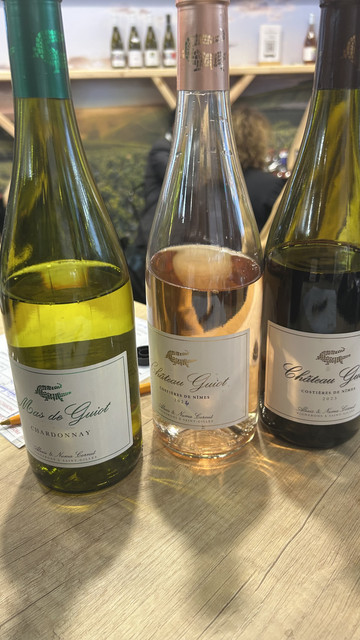
 Château Guiot
 Berthet-Rayne
 Clef de Saint Thomas
 Château Font-Barrièle
 Château Malbat
 Château Larquey
 Château Lapelleterie
 Domaine Buffeteau
 Château Beynat
 Château Carosse Martillac
 Château Franc Cardinal
 Baudry-Dutour
 Domaine Aiguillette
 Domaine Moncourt
 Domaine Hubert Reyser
 Domaine Moritz
 Lamiable
 Forget-Brimont
 Gabriel d'Ardhuy
 Bony-Gachot
 Chablis Colombier
 Chablis Monier
 Mont Luisant
 Numa Cornut
 Patrick Clergé
 Domaine Blanville
 Domaine Hommes Terre du Sud
 Domaine Cellier du Pic
 Bruno Andreu
 Julien et Fils · Château Bachellerie
 Julien et Fils · Château de Mus
 Domaine Rombeau
 Domaine Vellas
 Château Fontenelle
 Meridiem
 Château St Jacques d'Albas · Minervois
 Château Le Brézéguet
 Vila Dria

 Bodega Franco Española
 Bodega Riojanas
 Senda Galiana
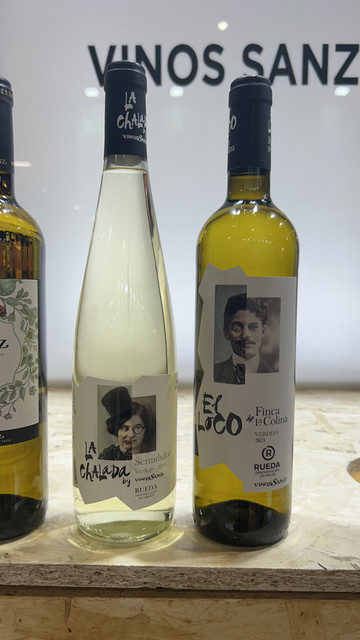
 Sanz
 Celaya
 Vini Galicia
 Mas Llahon
 Padró

 Savian
 La Morette
 Aeteria
 Pizzolato
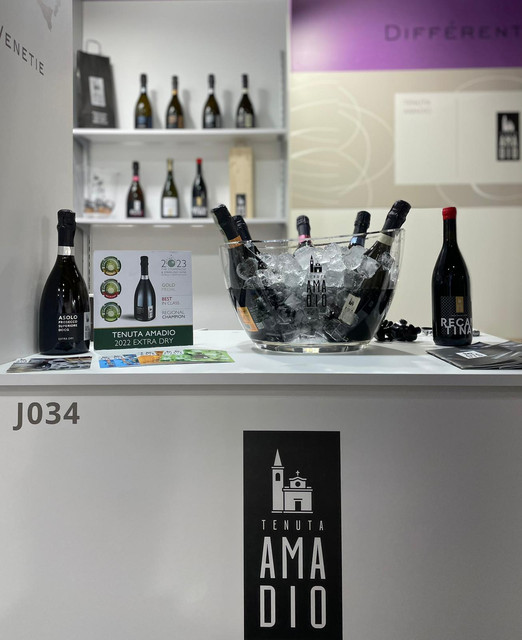
 Tenuta Amadio
 Scopone
 Albea
 Terre Carsiche
 La Fortezza
 Diego Pressenda
 Massimo Rivetti

 Grand Porto
 Lua Cheia
 Ayama
 Pasticeo
 Le Ségéral
 Dessailly SA
 Verneuil
 Briois
 Loyez Woessen
 Montaigu
 Alliance
 Calissanne
 Glosek
 Torres de Briz
 Guillén
 Tabladillo
 Aceites Álvarez
 Martirelo
 Emilia
 Mazzetti

 Mlekpol

 Prospersun